
Hair Restoration in Guelph Directory
Hair Restoration in Guelph: PRP Costs, Options and What Works.
Looking into hair restoration in Guelph? This guide covers PRP scalp injections and other non-surgical options offered by local clinics, what they cost in 2026, how well they work, who can legally perform them in Ontario and when to see a dermatologist or transplant surgeon instead. Includes nearby options in Burlington and Toronto.
- Clinics offering it
- 1
- Reviews from
- Data refresh
- Weekly
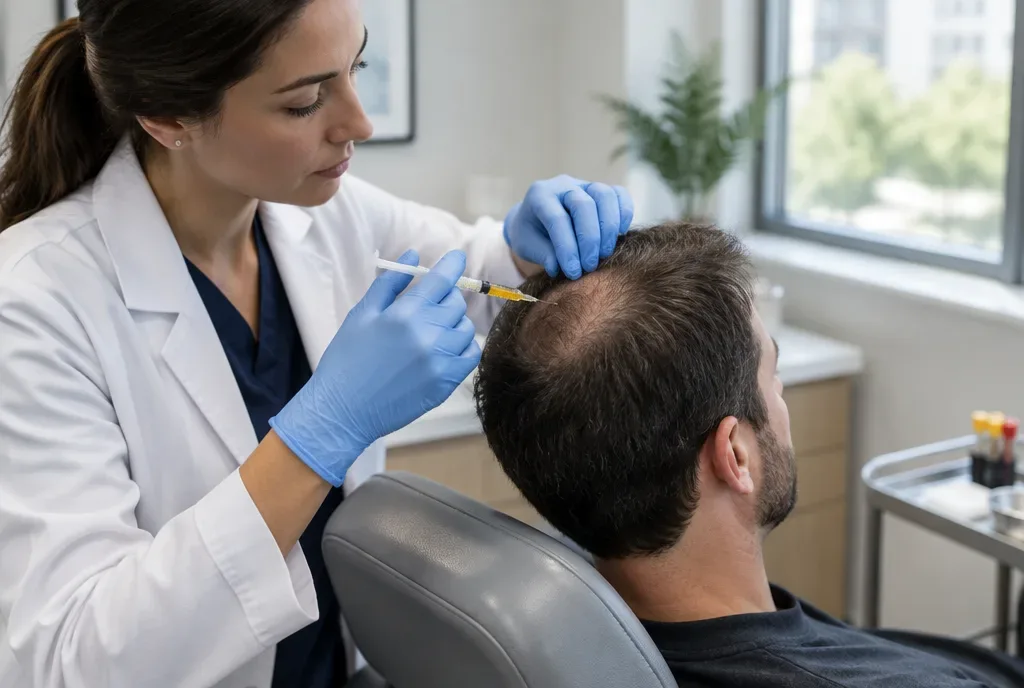
Top-Rated Hair Restoration providers in Guelph.
1 clinics
Guelph Guide
Hair restoration in Guelph at a glance
- Most common local treatment: PRP (platelet rich plasma) scalp injections, from about $600 per session at Guelph clinics
- Typical course: 3 to 4 PRP sessions a month apart, then maintenance every 4 to 6 months
- Other options offered locally: dutasteride mesotherapy, microneedling for the scalp, prescription finasteride or minoxidil
- Who performs it: physicians, nurse practitioners and nurses, because PRP involves a blood draw and injections
- Surgery: hair transplants are mostly done in Toronto and other larger centres
Thinning hair is one of those problems people tend to put off, partly because the options seem confusing and partly because there is a lot of overpromising online. In Guelph, non-surgical hair restoration is offered by a handful of physician and nurse led aesthetic clinics, mainly along Woolwich Street in the north end and closer to downtown. This guide explains what actually works, what each option costs locally, and when it makes more sense to see a dermatologist or a transplant surgeon instead.
Start with the cause, not the treatment
Hair loss has many causes, and the right treatment depends on which one you have. Androgenetic alopecia, the pattern thinning that affects most men and many women, responds to medication and PRP. Telogen effluvium, a sudden shed after illness, surgery, childbirth or major stress, often recovers on its own within months. Alopecia areata is an autoimmune condition with patchy loss that needs a dermatologist. Thyroid problems, low iron and some medications also play a role.
A good Guelph clinic will ask about your history, look at your scalp under magnification and may suggest bloodwork through your family doctor before selling you anything. If they skip all of that, be wary.
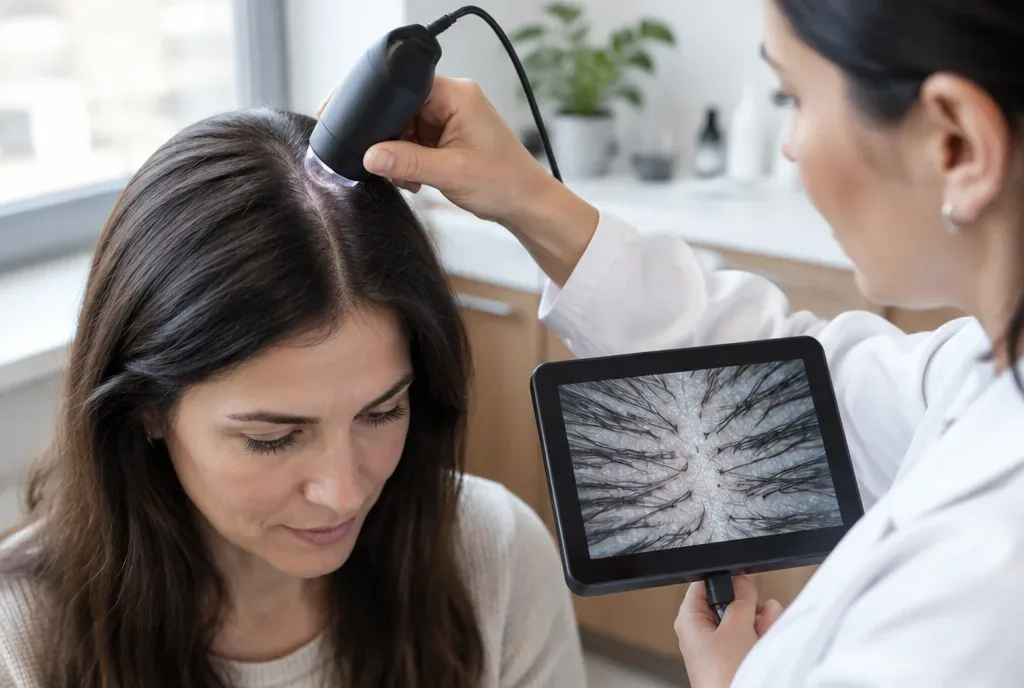
Magnified scalp images help confirm the type of hair loss and give you a baseline to measure progress against.
Treatment options and what they cost in Guelph
Published Guelph pricing puts PRP at around $600 per session, which sits within the usual range for southern Ontario. Prices below are typical local ranges for 2026, before 13% HST.
| Treatment | Typical Guelph cost (CAD) | How it is used |
|---|---|---|
| PRP scalp injections | $500 to $900 per session | 3 to 4 sessions, then every 4 to 6 months |
| PRP package of 3 | $1,500 to $2,400 | Most clinics discount packages |
| Dutasteride mesotherapy | $400 to $700 per session | Small injections into thinning areas, several sessions |
| Scalp microneedling, alone or with PRP | $250 to $500 | Often combined with topical treatment |
| Low level laser cap (home device) | $800 to $3,000 one time | Used several times a week |
| Finasteride or minoxidil | $20 to $60 per month | Prescription or pharmacy, ongoing |
| FUE hair transplant (outside Guelph) | $6,000 to $15,000+ | Priced per graft, one procedure |
Is PRP therapy covered by OHIP? No. Cosmetic hair restoration is not covered, and most extended health plans exclude it. Prescription medication may be covered by a drug plan. A dermatologist visit for hair loss is OHIP covered with a referral, which is worth using if the cause is unclear.
How well does PRP work?
Does PRP actually regrow hair? The honest answer is that it can thicken existing hair and slow shedding, especially in early to moderate pattern thinning, but results vary a lot between people. Studies are generally positive but small, and protocols differ between clinics. PRP works best on follicles that are miniaturized rather than gone, so it will not bring back a fully bald crown. Most people judge results at four to six months, and maintenance is needed to keep them. Is 2 sessions of PRP enough? For most people, no. Three or four monthly sessions is the usual starting course.
Who can perform hair restoration in Ontario
PRP involves drawing blood and injecting a substance under the skin, both controlled acts in Ontario. That means a physician or nurse practitioner, or a nurse working under their order, must do it. Prescription medications such as oral finasteride, dutasteride and oral minoxidil also require a prescriber. You can look up a doctor on the CPSO public register and a nurse on the College of Nurses of Ontario register.
- Ask how the PRP is prepared. A medical grade kit and centrifuge, with a clear explanation of spin time, is a good sign.
- Ask who diagnoses the type of hair loss and whether they will recommend bloodwork.
- Ask to see standardized before and after photos from the same angle and lighting.
- Be cautious about clinics pushing large prepaid packages before a diagnosis.
Nearby options
We list one hair restoration provider in Guelph. If you want to compare, see hair restoration in Burlington or Toronto, both an easy drive or GO train ride away. For surgical options, our hair transplant page for Toronto covers FUE and FUT clinics. Every Guelph provider is listed in our Guelph med spa directory.
What a PRP appointment is like
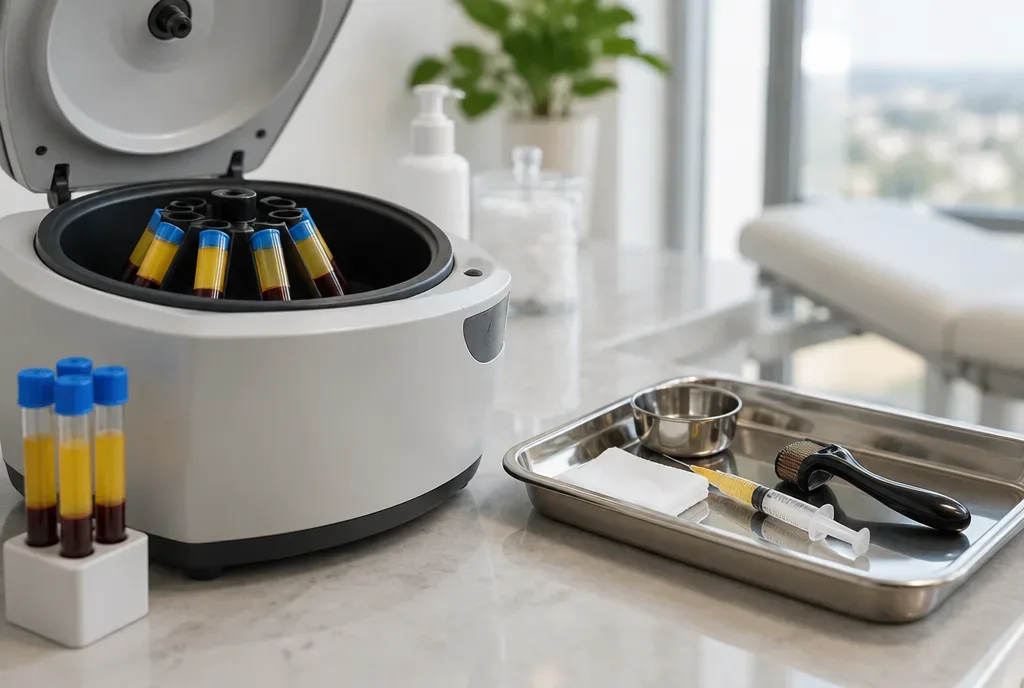
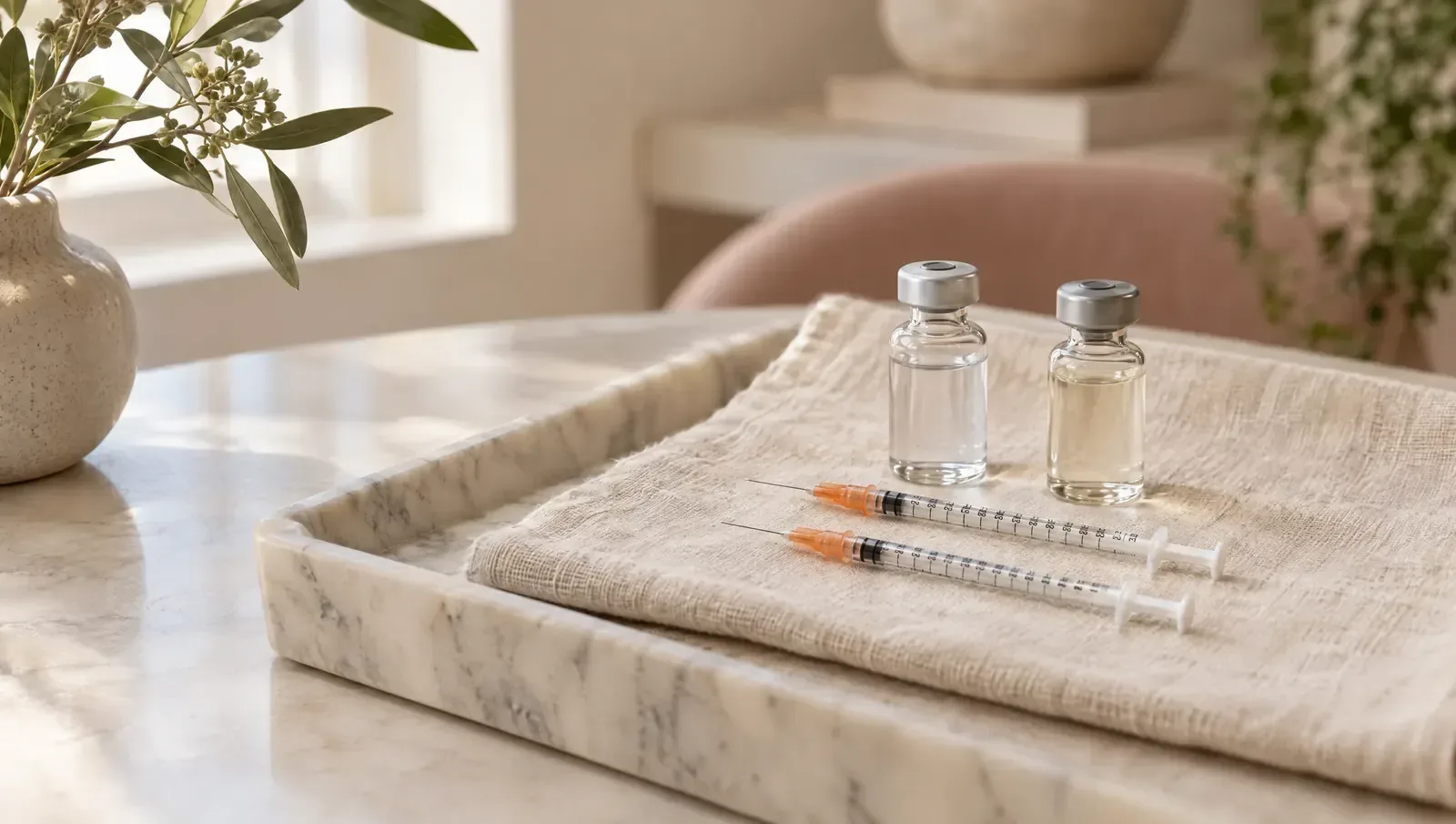
Your blood is spun for several minutes to concentrate the platelets before injection.
A nurse draws a small amount of blood from your arm, much like a routine blood test. It goes into a centrifuge for about 10 to 15 minutes to separate the platelet rich layer. Your scalp is cleaned, sometimes numbed with cream, ice or a vibration device, and the plasma is injected in small amounts across the thinning areas. The whole visit takes about an hour.
How painful is PRP for hair? Most people describe a series of sharp pinches and pressure, more uncomfortable at the front hairline than the crown. Afterwards the scalp may feel tight and tender for a day or two. Wait until the next day to wash your hair, avoid hair dye and hot showers for 48 hours, skip hard workouts for a day and hold off on anti-inflammatory painkillers for a few days if your provider recommends it.
Risks, who should skip it and alternatives
Because PRP uses your own blood, allergic reactions are unlikely. Side effects include tenderness, swelling, mild bruising, headache and, rarely, infection. People with low platelet counts, blood clotting disorders, active scalp infections, certain cancers, or who take blood thinners may not be candidates. Pregnant or breastfeeding clients are usually asked to wait. Newer options like exosomes are marketed heavily, but the evidence is early and product quality varies, so ask hard questions before paying a premium.
Many people get the best results combining PRP with medication. Microneedling in Guelph is sometimes added to scalp treatment to help topical products work. For general scalp health, our guide to scalp treatments for thicker hair covers the basics.
Related links
More Services in Guelph.
From our blog
Tips, guides, and treatment insights.
Explore tips, trends, and insights in wellness from our latest blog posts.


For Businesses
Help people discover your clinic.
Present your services, introduce your team, and keep your clinic information up to date.
Claim your listing