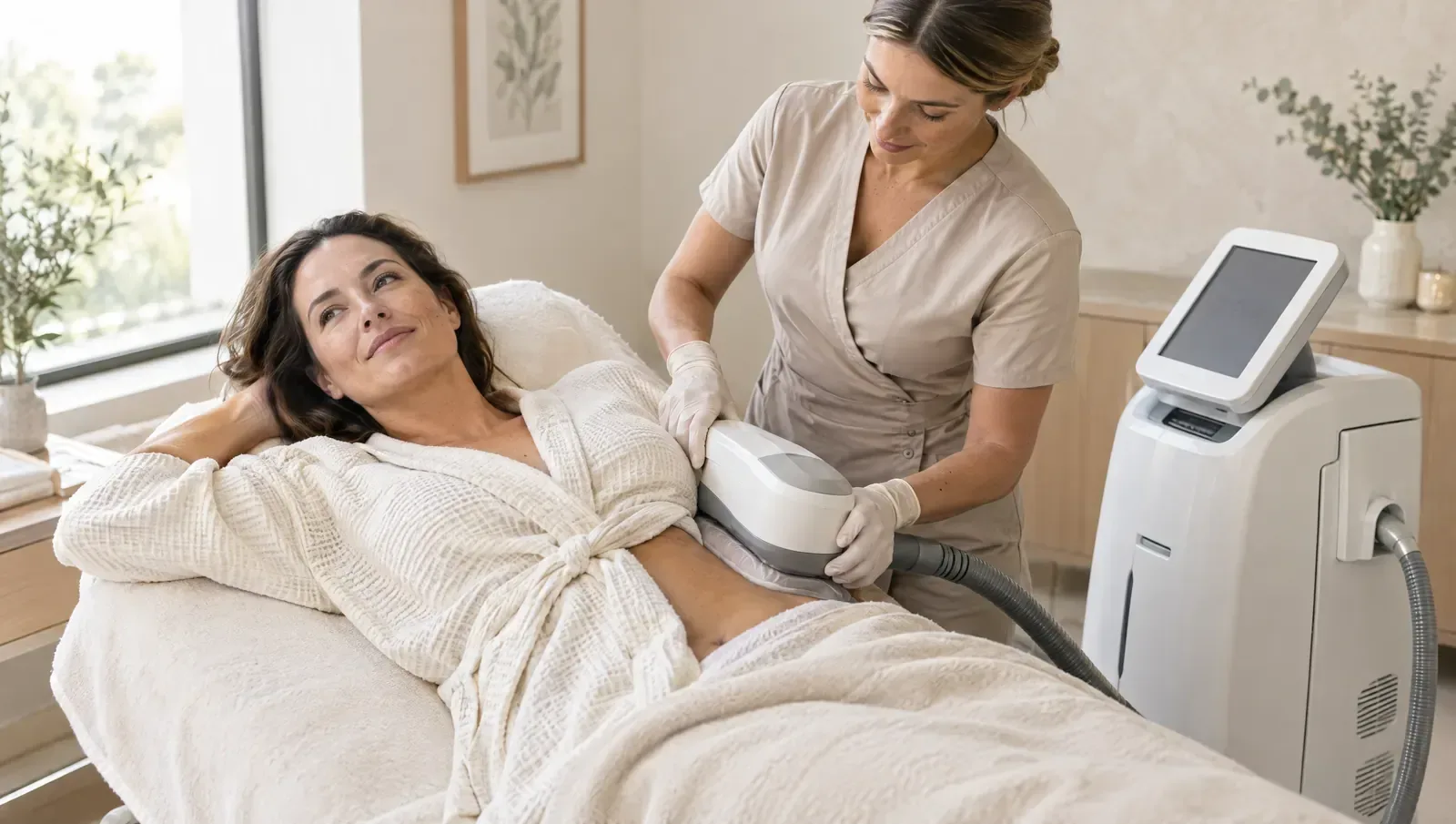
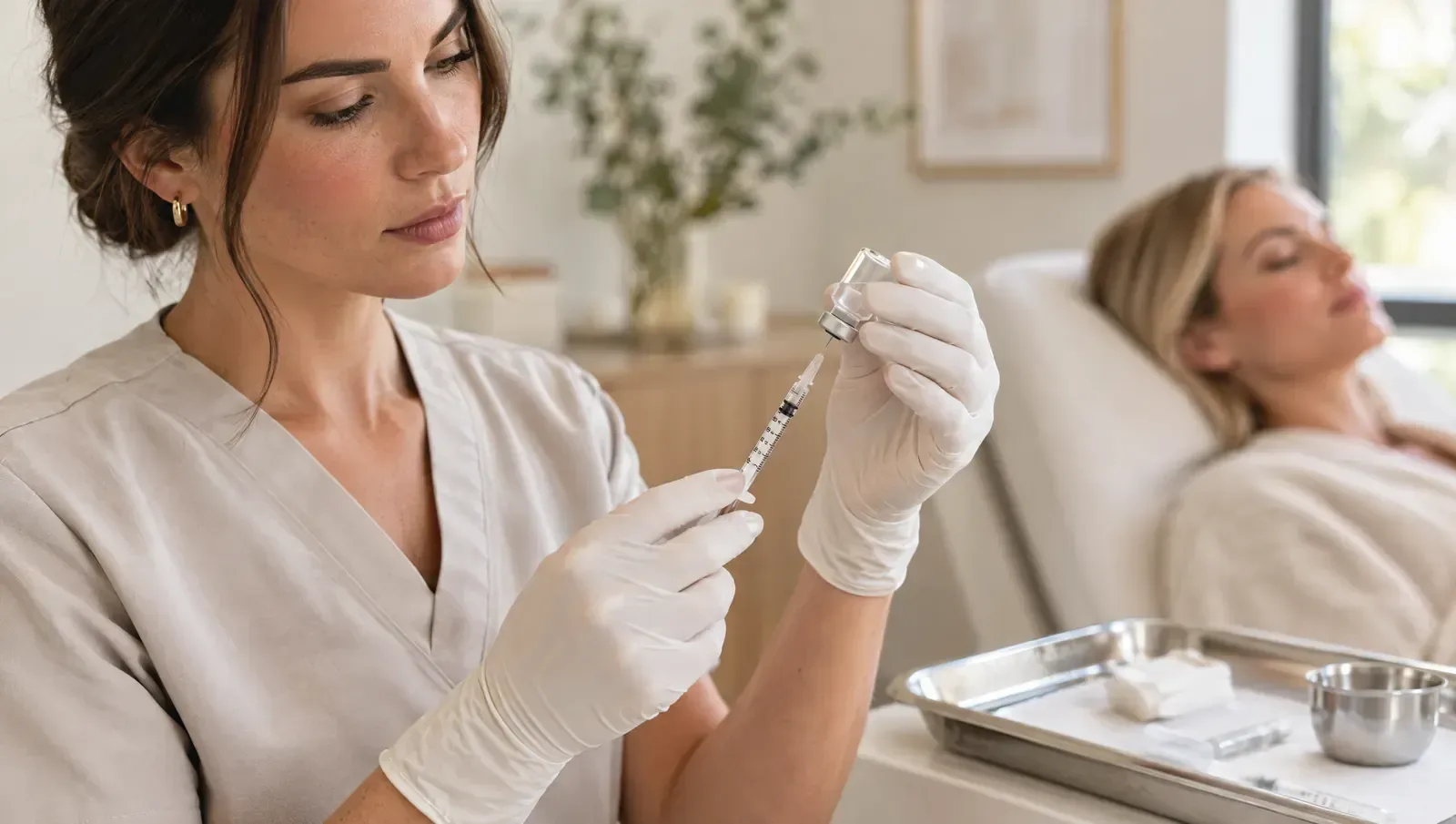
Botox injections use purified botulinum toxin to temporarily block nerve signals, relaxing targeted muscles. Commonly used for reducing facial wrinkles, Botox is also FDA-approved for medical conditions such as chronic migraines, neck spasms, excessive underarm sweating, and overactive bladder. Results typically last 3–6 months, and treatments are considered safe when performed by licensed medical professionals in a clinical setting.
What Are Botox Injections?
Botox injections are a popular medical treatment used to reduce the appearance of wrinkles and fine lines. Derived from the botulinum toxin, Botox works by temporarily relaxing the muscles responsible for creating these lines. But Botox isn't just about aesthetics — it has a long-standing medical history and is approved for treating conditions such as chronic migraines, excessive sweating (hyperhidrosis), and muscle spasms.
The procedure itself is quick and minimally invasive, often referred to as a "lunchtime treatment" because it typically takes less than 20 minutes. Results are noticeable within a few days and last for three to six months, making it a convenient option for those seeking smoother skin or relief from certain medical conditions.
While the benefits of Botox are well-documented, it's essential to choose a licensed and experienced provider to ensure safety and effectiveness. Understanding how Botox works, what it can achieve, and its potential risks will empower you to make an informed decision.
Benefits of Botox: Beyond the Aesthetic Appeal
Botox injections have become synonymous with wrinkle reduction, but their benefits extend far beyond simply smoothing out fine lines. Whether for cosmetic or medical purposes, Botox offers a range of advantages that have earned it a reputation as a multifaceted treatment.
Cosmetic Benefits
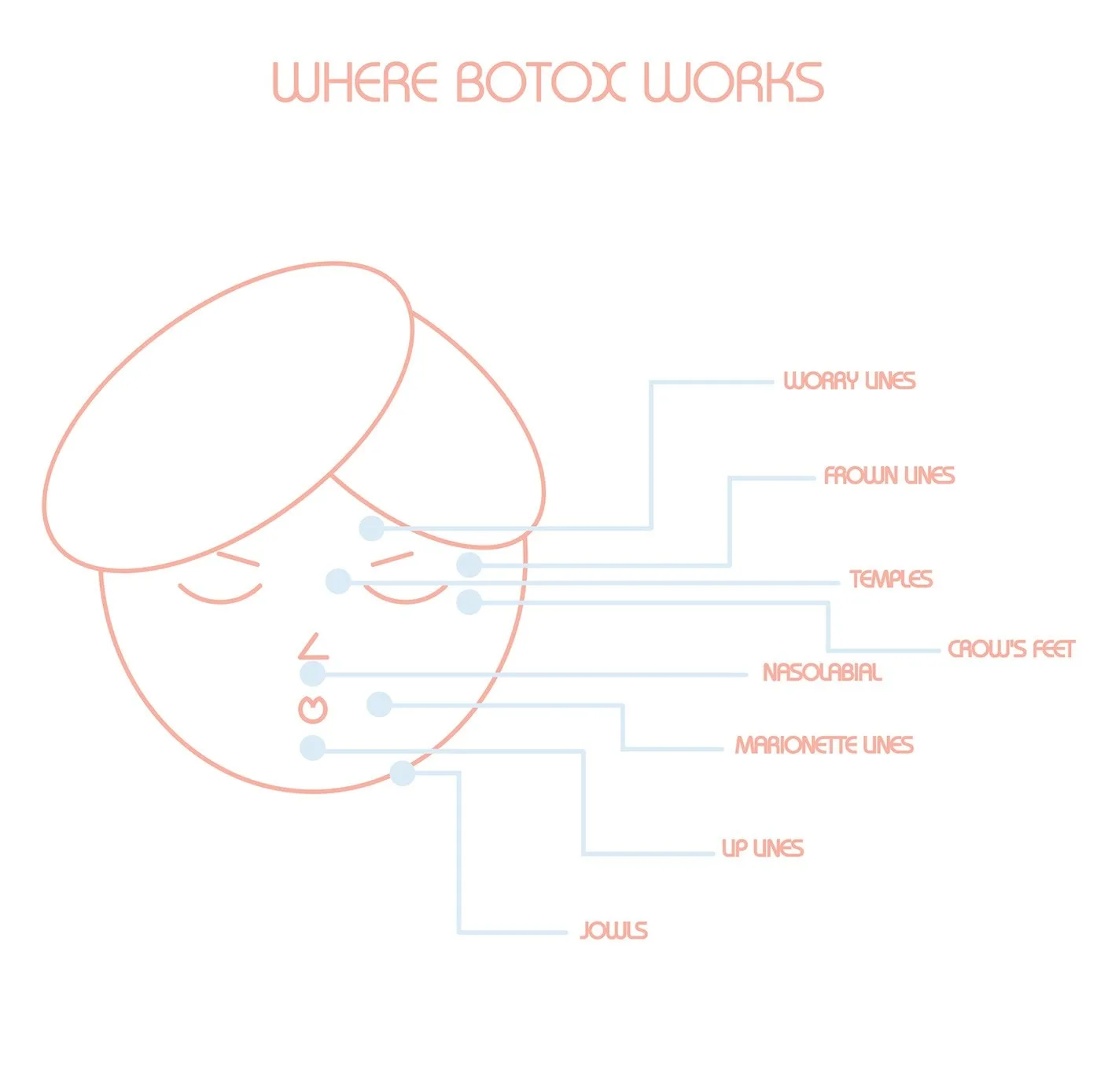
Botox works by relaxing the facial muscles that contribute to dynamic wrinkles — those lines that appear when you smile, frown, or squint. Common treatment areas include:
- •Forehead lines: Often referred to as "worry lines," these are among the most requested treatment zones.
- •Crow's feet: The fine lines that branch out from the corners of your eyes, often a telltale sign of aging.
- •Frown lines: Botox can soften the vertical lines between your eyebrows, sometimes called "11s."
What makes Botox unique in the anti-aging realm is its ability to prevent the formation of deeper wrinkles. By reducing the movement of targeted muscles, it can slow down the skin's natural aging process. Beyond wrinkle reduction, Botox is increasingly being used for facial contouring — injections into the jawline can help slim the face, and a carefully placed dose can create a lifted brow for a more youthful look.
Medical Benefits
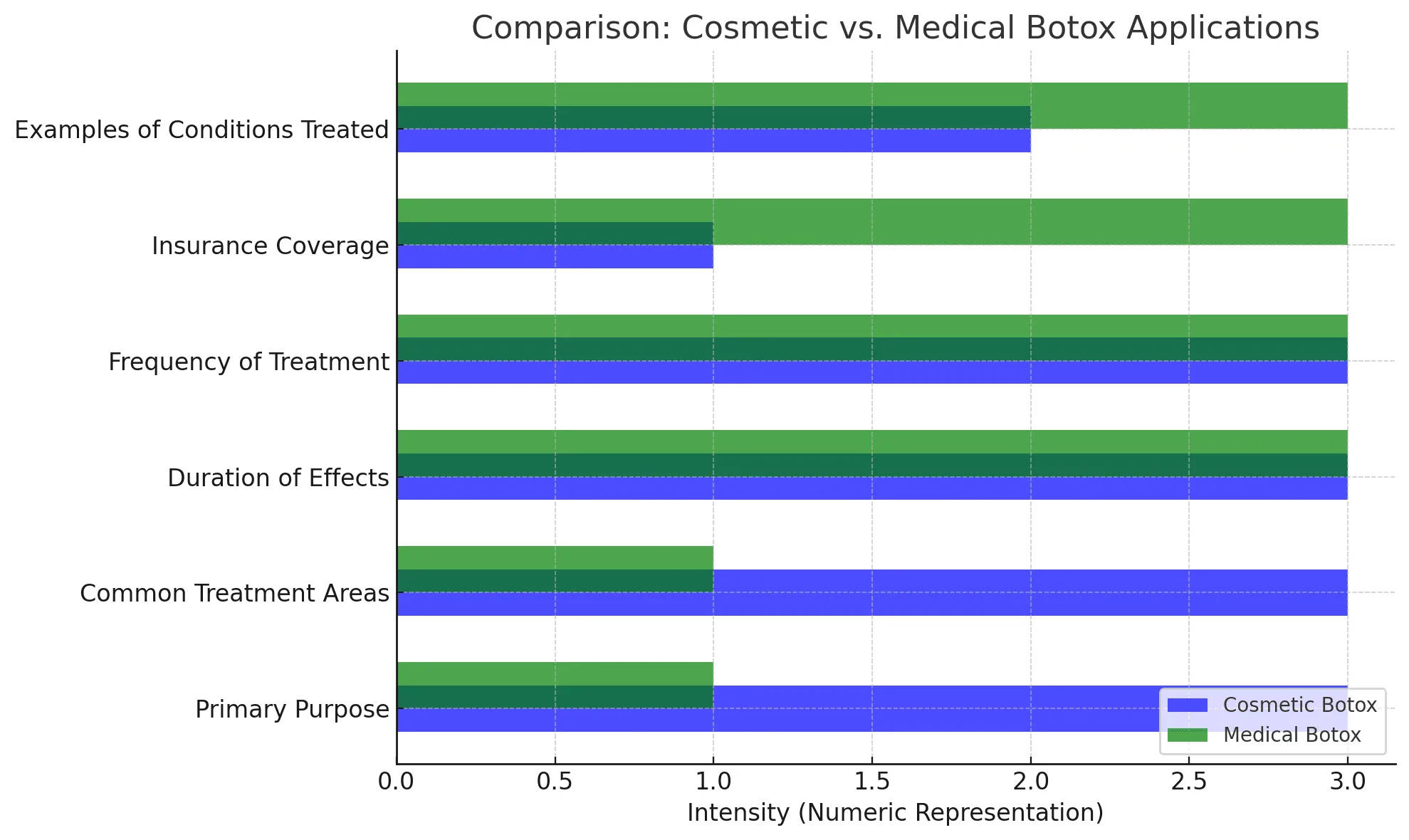
Botox's therapeutic uses are often overlooked but can be life-changing for patients with specific conditions:
- 1Chronic Migraines: FDA-approved, Botox is injected into specific areas of the head and neck to reduce the frequency and severity of migraines. Studies have shown patients experience up to 50% fewer headache days after regular treatments.
- 2Hyperhidrosis: For those struggling with excessive sweating, Botox offers a reliable solution by blocking the nerves that activate sweat glands. Popular treatment areas include the underarms, hands, and feet.
- 3Muscle Spasms: Neurological conditions such as cervical dystonia can cause painful muscle contractions. Botox helps by relaxing the affected muscles, providing relief.
- 4Overactive Bladder: Botox can reduce urinary incontinence in patients with certain bladder conditions by calming the overactive muscles.
The Emotional and Social Benefits
Botox's impact isn't just physical — it's emotional too. Many patients report feeling more confident and comfortable in their own skin after treatments. Improved self-esteem can ripple through various aspects of life, from personal relationships to professional opportunities.
The Botox Injection Procedure
Pre-Treatment Consultation
The process begins with a detailed consultation. Your provider will assess your medical history, discuss your goals, and determine whether Botox is the right solution for you. They'll evaluate the areas you want treated and explain what can — and can't — be achieved with Botox.
Important questions to ask:
- •How experienced are you with Botox injections?
- •Can you show before-and-after photos of past patients?
- •What precautions should I take before the procedure?
During the Procedure
- 1Preparation: The treatment area is cleaned to minimize the risk of infection. Some providers may apply a topical numbing cream to reduce discomfort.
- 2Injection: Using a fine needle, the provider injects small amounts of Botox into the target muscles. Forehead lines may require 4–6 injections, while crow's feet often need 3–5 on each side.
- 3Duration: The entire process usually takes 10–20 minutes. Patients often describe the injections as feeling like a tiny pinch or a mosquito bite.
Post-Treatment Expectations
Botox doesn't deliver instant results. You'll start noticing changes within 3–5 days, with full effects visible after about two weeks. There's no downtime, but minor side effects like redness, swelling, or slight bruising are common and typically subside within a few days.
What to Avoid After Botox
- •Avoid lying down for at least four hours post-treatment.
- •Refrain from strenuous activities for 24 hours.
- •Steer clear of alcohol and blood-thinning medications before and after your session.
Botox Costs and Affordability
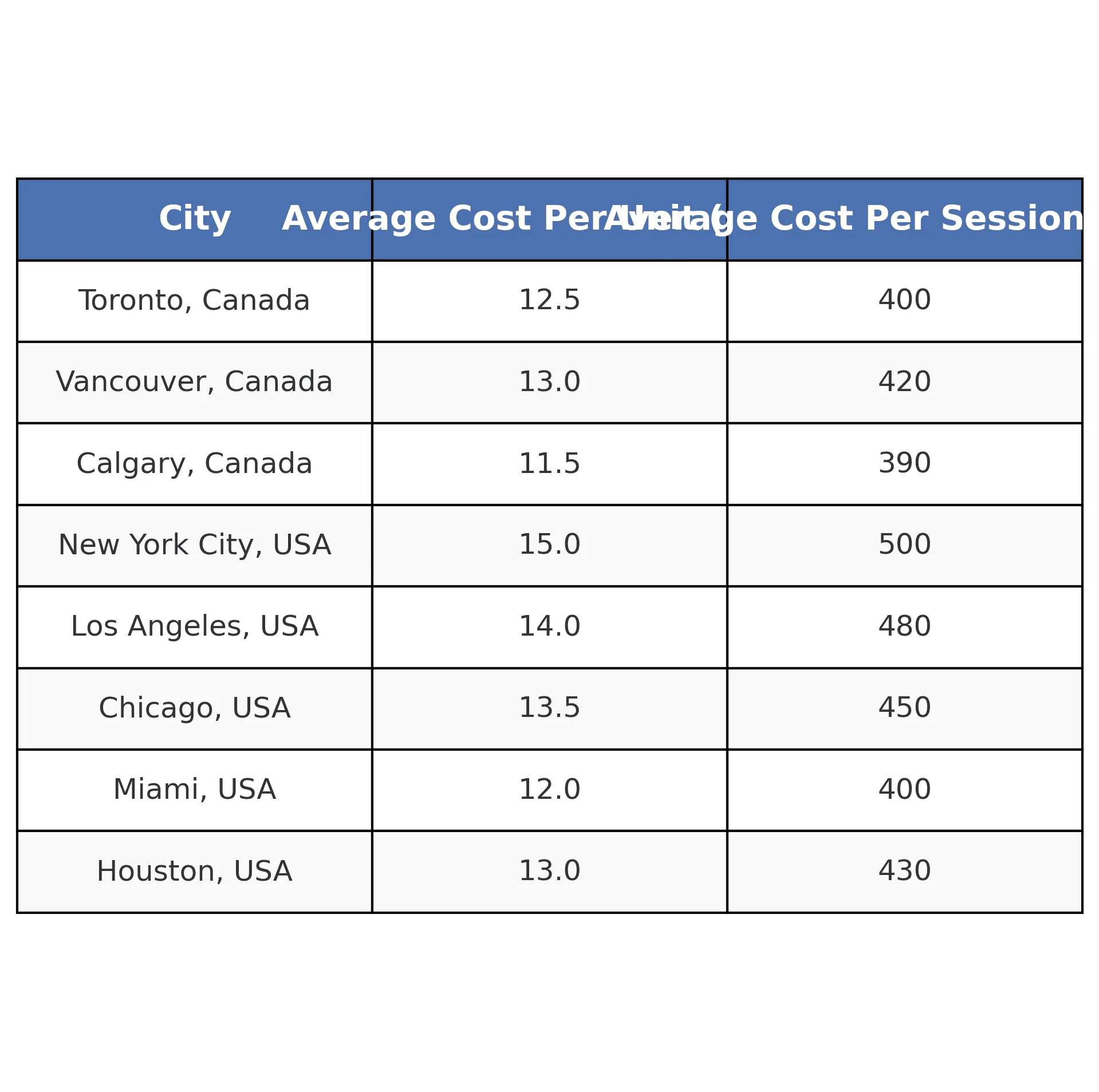
One of the most common concerns about Botox injections is the cost. The cost of Botox varies depending on the provider, location, and treatment area. Typically, Botox is priced by the unit, with the average cost per unit ranging between $10 and $20 in North America.
| Treatment Area | Units Required | Estimated Cost |
|---|---|---|
| Forehead lines | 10–30 units | $100–$600 |
| Crow's feet | 10–15 units per side | $200–$400 |
| Frown lines | 20–30 units | $200–$600 |
For medical treatments like migraines or hyperhidrosis, the number of units needed can be higher, often leading to costs between $1,000 and $1,500 per session. Insurance may partially or fully cover medically necessary Botox treatments, so it's worth checking with your provider.
Factors Influencing Botox Prices
- 1Provider's Experience: Highly experienced practitioners often charge more. While this increases upfront costs, it reduces the risk of complications.
- 2Treatment Area: Smaller areas like crow's feet require fewer units, while larger areas like the forehead or underarms may need more.
- 3Location: Prices vary significantly depending on where you live. Urban areas tend to have higher costs due to increased demand.
- 4Brand: While "Botox" is the most well-known brand, competitors like Dysport and Xeomin are also available and may have different pricing.
Cost-Saving Tips
- •Membership Programs: Many clinics offer loyalty programs or discounts for repeat customers.
- •Bundled Treatments: Some providers offer package deals if you're treating multiple areas at once.
- •Promotions: Clinics often run seasonal promotions — watch for deals around holidays or special events.
How to Choose a Trusted Botox Provider
Key Qualities to Look For
- 1Certification and Training: Ensure your provider is a licensed medical professional with specialized training in administering Botox — this could include dermatologists, plastic surgeons, or certified aesthetic practitioners.
- 2Experience: Ask how many years they've been performing Botox treatments and how often they do so. A practitioner who specializes in Botox is more likely to deliver consistent results.
- 3Reputation: Look for online reviews, testimonials, and before-and-after photos to gauge the provider's track record.
- 4Consultation Process: A reputable provider will take time to understand your goals, discuss potential risks, and set realistic expectations.
Where to Look for Providers
- •Online Directories: Platforms like RealSelf and Healthline's Provider Finder list certified practitioners.
- •Recommendations: Word-of-mouth referrals from friends or family can often lead you to trustworthy professionals.
Red Flags to Avoid
- •Suspiciously Low Prices: Unusually low costs could indicate subpar products or unqualified practitioners.
- •Pushy Sales Tactics: Avoid providers who pressure you into additional treatments during your consultation.
- •Unhygienic Facilities: Ensure the clinic is clean and follows proper sanitation protocols.
Checklist: How to Vet Your Botox Provider
Step 1: Verify Credentials
- •Ensure the provider is licensed and certified in administering Botox.
- •Look for medical professionals such as dermatologists, plastic surgeons, or certified nurse injectors.
- •Check if the provider has specialized training in botulinum toxin injections.
Step 2: Assess Experience
- •Ask how many years they've been performing Botox treatments.
- •Confirm they regularly administer Botox and specialize in this area.
- •Inquire about the number of patients treated and their familiarity with your specific concerns.
Step 3: Read Reviews and Testimonials
- •Check online reviews on trusted platforms like Google, Yelp, or RealSelf.
- •Look for patient testimonials about results and bedside manner.
- •Pay attention to any patterns of negative feedback or unresolved issues.
Step 4: Review Before-and-After Photos
- •Request before-and-after photos of previous patients to evaluate results.
- •Ensure the photos showcase natural-looking outcomes.
- •Confirm that the examples match the areas you want treated.
Step 5: Schedule a Consultation
- •Discuss your goals and concerns openly, and ask: "What results can I realistically expect?", "How many units will I need?", "What side effects should I be aware of?"
- •Assess their willingness to answer your questions thoroughly.
Step 6: Inspect the Facility
- •Confirm the clinic is clean and follows proper sanitation protocols.
- •Look for signs of professionalism, such as proper equipment and attentive staff.
- •Avoid providers who operate out of non-medical settings like homes or salons.
Step 7: Evaluate Communication
- •Choose a provider who listens carefully and explains the procedure clearly.
- •Avoid anyone who pressures you into unnecessary treatments.
- •Confirm they offer follow-up care if needed.
Step 8: Ask About Pricing and Products
- •Verify the cost per unit or session and ensure it aligns with local averages.
- •Confirm they use FDA-approved brands like Botox, Dysport, or Xeomin.
- •Avoid providers offering unusually low prices — it may indicate diluted products or lack of experience.
Final Reminder
- •Take your time to research and compare providers.
- •Trust your instincts — if anything feels off during the consultation, look for another provider.
Botox Aftercare Tips for Best Results
Post-treatment care is essential to ensure your Botox results are as effective and long-lasting as possible.
- •Stay Upright: Avoid lying down for at least 4 hours post-treatment.
- •Apply Ice: Gently apply an ice pack for minor swelling or bruising.
- •Use Gentle Skincare: Stick to non-irritating cleansers and moisturizers for the first 24–48 hours.
- •Touch or Rub: This could displace the Botox and affect results.
- •Strenuous Activity: Skip the gym for at least 24 hours.
- •Consume Alcohol: Avoid it for a day or two to reduce the likelihood of bruising.
Managing Side Effects
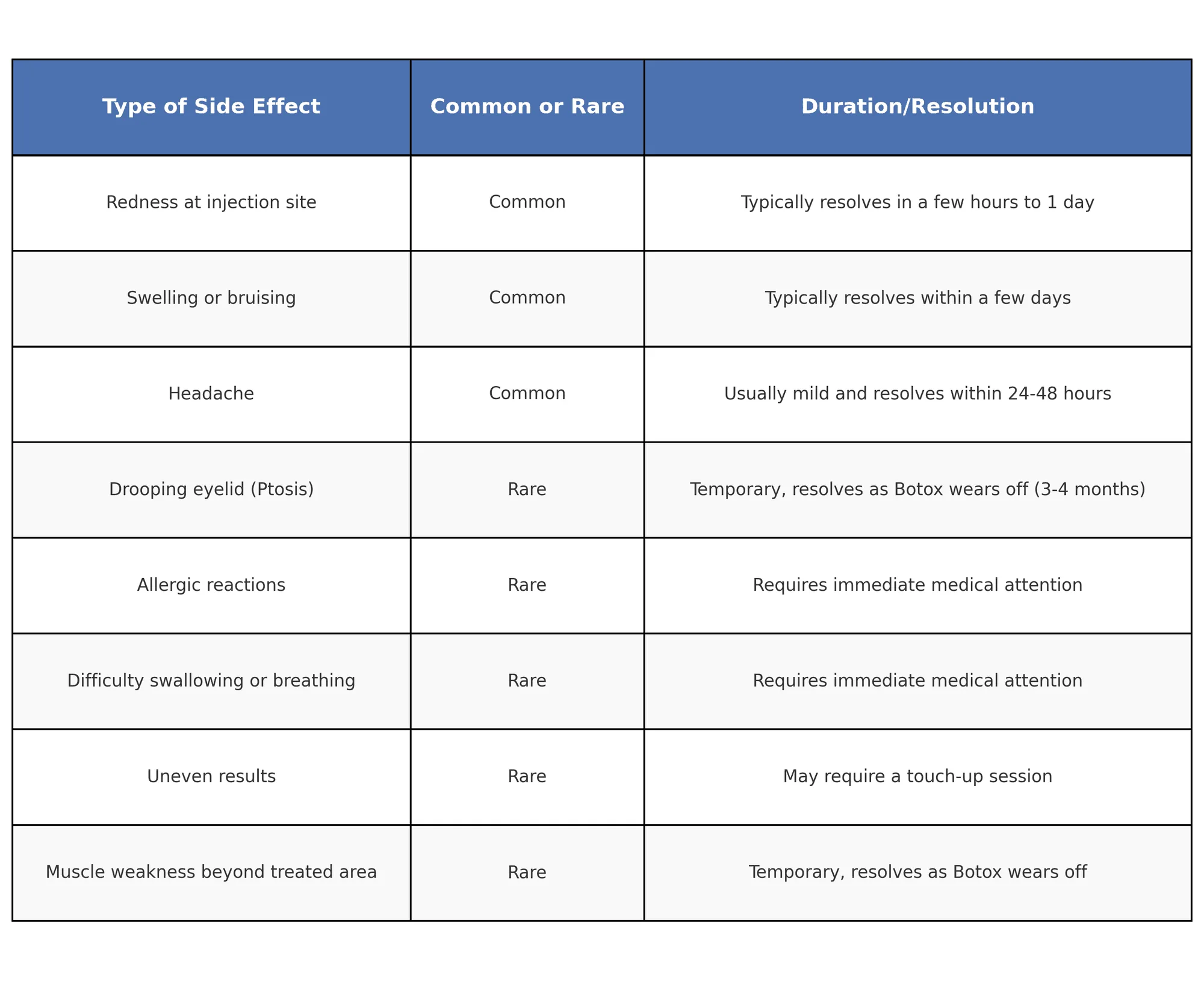
Most side effects, like redness or slight swelling, are mild and temporary. However, if you notice significant pain, uneven results, or other unusual symptoms, contact your provider immediately.
Extending Your Results
- •Hydration: Staying well-hydrated can help maintain healthy skin and prolong results.
- •Avoid Sun Damage: Use sunscreen daily to prevent further skin aging.
- •Schedule Regular Touch-Ups: Consistent treatments can train your muscles and potentially reduce the amount needed over time.
Risks and Side Effects of Botox
Common Side Effects
- •Redness and Swelling: Slight redness or swelling at the injection sites typically subsides within a few hours to a day.
- •Bruising: Some patients notice minor bruising, especially if injection sites are near sensitive areas.
- •Headaches: Temporary headaches can occur in the first 24–48 hours post-treatment.
Rare but Serious Risks
- 1Allergic Reactions: Symptoms like itching, rash, or difficulty breathing could indicate an allergic response to Botox.
- 2Drooping Eyelid or Brow (Ptosis): Incorrect injection placement can lead to a temporary droop in the treated area.
- 3Muscle Weakness: In rare cases, Botox can spread beyond the intended area, causing unintended muscle relaxation.
Reducing Risks
- •Choose an experienced provider: Expertise significantly reduces the likelihood of side effects.
- •Follow aftercare instructions: Avoiding activities like rubbing your face or lying down shortly after treatment can prevent Botox from migrating.
- •Disclose your medical history: Certain conditions or medications can interact with Botox, so full transparency with your provider is crucial.
Alternatives to Botox
Injectable Alternatives
- 1Dysport: Another botulinum toxin injectable known for spreading more quickly, making it ideal for treating larger areas like the forehead.
- 2Xeomin: A "naked" version of botulinum toxin that lacks the additional proteins found in Botox. Often recommended for patients who develop resistance to Botox over time.
- 3Dermal Fillers: Unlike Botox, which relaxes muscles, fillers like Juvederm or Restylane add volume to smooth wrinkles and plump areas like lips and cheeks.
Non-Invasive Treatments
- •Laser Resurfacing: Uses light energy to improve skin texture, reduce wrinkles, and boost collagen production.
- •Microneedling: Stimulates the skin's healing process by creating tiny punctures, promoting smoother and younger-looking skin.
- •High-Frequency Ultrasound Therapy (HIFU): Tightens the skin using ultrasound energy to stimulate collagen.
Skincare Products
- •Retinoids: Promote cell turnover and reduce fine lines over time.
- •Peptides: Boost collagen production for firmer skin.
- •Vitamin C Serums: Help brighten skin and protect against aging caused by sun damage.
The best alternative depends on your goals, budget, and tolerance for invasive procedures. Consult with a dermatologist or aesthetic professional to discuss which option aligns with your needs.
- •Botox is a versatile treatment with both cosmetic and medical benefits.
- •The procedure is quick, safe, and minimally invasive, but understanding the costs and risks is crucial.
- •Proper aftercare and choosing the right provider ensure the best outcomes.
- •Alternatives to Botox, like Dysport, fillers, and non-invasive therapies, provide additional options for achieving your goals.
Botox Longevity: How Long Does It Last?
Average Duration of Botox Results
On average, Botox results last between 3 to 6 months, depending on the individual and the treatment area:
- •Forehead Lines: Results typically last 4–6 months due to lower muscle activity.
- •Crow's Feet: Lasts 3–4 months due to frequent facial movement in this area.
- •Frown Lines: Results can extend up to 5 months with proper care.
The effects gradually fade as the body metabolizes the botulinum toxin, allowing treated muscles to regain activity.
Factors Affecting Botox Longevity
- 1Metabolism: Individuals with faster metabolisms may break down Botox more quickly, leading to shorter-lasting results.
- 2Treatment Area: Areas with higher muscle activity, like the mouth or eyes, tend to wear off faster than less active zones.
- 3Dosage: The amount of Botox used directly impacts its longevity. Insufficient dosing can lead to shorter-lasting results.
- 4Experience of Provider: An experienced injector knows how to administer Botox precisely, ensuring optimal results and longevity.
- 5Lifestyle Factors: Regular exercise, sun exposure, and stress can shorten Botox's effects.
Tips to Extend Botox Results
- •Follow Aftercare Instructions: Avoid rubbing treated areas and refrain from strenuous activities immediately after your session.
- •Use Sunscreen Daily: Sun damage can accelerate the breakdown of Botox and promote new wrinkles.
- •Hydrate and Maintain a Healthy Diet: Good skin health supports Botox longevity.
- •Schedule Regular Maintenance Treatments: Over time, consistent Botox use can train muscles, potentially reducing the amount needed for the same effect.
For most people, touch-ups are recommended every 4 to 6 months. First-timers may notice results fade slightly faster as their muscles adjust to the treatment.
Non-Cosmetic Benefits of Botox
Treating Chronic Migraines
Botox is FDA-approved for the treatment of chronic migraines, defined as headaches occurring 15 or more days per month. Injections target specific muscle groups in the head and neck, reducing frequency and severity. Studies have shown that regular treatments can decrease migraine days by up to 50%. Most patients undergo injections every 12 weeks, with noticeable improvement after the second session. Many insurance providers cover Botox for migraines, making it accessible for sufferers.
Reducing Hyperhidrosis (Excessive Sweating)
For individuals with hyperhidrosis, Botox offers a highly effective solution by blocking the nerves responsible for activating sweat glands. Popular treatment areas include the underarms, palms, and feet. Results typically last 4 to 6 months, significantly improving comfort and confidence.
Easing Muscle Stiffness and Spasms
Botox is frequently used to treat muscle conditions such as cervical dystonia (neck spasms) and spasticity in the arms and legs. By relaxing overactive muscles, Botox helps patients regain mobility and reduce pain.
Treating Overactive Bladder
Injected directly into the bladder muscle, Botox relaxes the area, increasing its capacity and reducing the urge to urinate frequently. Results last approximately 6 months.
Managing TMJ and Jaw Tension
For individuals suffering from temporomandibular joint (TMJ) disorders or jaw clenching, Botox can provide relief by relaxing the masseter muscles. This not only eases tension but can also help reshape the jawline over time for a slimmer appearance.
Botox and Lifestyle Compatibility
Busy Professionals: Botox is often referred to as a "lunchtime treatment" — sessions typically last 10–20 minutes with no downtime, making it ideal for those who can't disrupt their schedules.
Fitness Enthusiasts: Botox remains viable for those who exercise regularly, but strenuous activities should be avoided for at least 24 hours post-treatment. Long-term, Botox doesn't interfere with physical fitness or performance.
New Parents: Botox is not recommended during pregnancy or breastfeeding due to the lack of safety studies. Outside of this period, it can be a confidence booster for new parents navigating physical and emotional changes.
Travelers and Adventurers: Frequent travelers can benefit from Botox but should plan touch-ups before extended trips and be mindful of aftercare — especially when traveling to sunny destinations.
Botox for First-Timers: What to Expect
Preparing for Your First Botox Appointment
- 1Research Your Provider: Verify credentials, read reviews, and schedule a consultation to ensure the provider is qualified and experienced.
- 2Understand Your Goals: Identify the areas you want to treat and discuss realistic outcomes during your consultation.
- 3Avoid Certain Medications: Blood-thinning medications like aspirin or ibuprofen should be avoided for at least a week prior to minimize bruising.
- 4Stay Hydrated: Well-hydrated skin tends to respond better to treatments.
When to Expect Results
Results are not immediate. Most first-timers notice changes within 3–5 days, with full effects visible after about 10–14 days. Botox temporarily relaxes muscles rather than permanently stopping wrinkles, so repeat treatments are necessary to maintain results.
Advances in Botox Technology
Next-Generation Botox Alternatives
- •Daxxify: A recently FDA-approved botulinum toxin treatment offering results lasting up to 6 months — nearly twice as long as traditional Botox.
- •Revance Therapeutics: Exploring longer-lasting botulinum toxin products that promise fewer touch-ups for patients.
Enhanced Application Techniques
- •Microdroplet Injections: Delivers smaller doses in a grid-like pattern for a more natural look.
- •Cannula Delivery: Replaces needles with a blunt-tip cannula, reducing discomfort and minimizing bruising.
Botox Combined with Other Treatments
- •Botox + Fillers: Often referred to as a "liquid facelift," offering both muscle relaxation and volume restoration.
- •Botox + Microneedling: Known as a "Botox facial," combining Botox with microneedling for skin smoothing and tightening.
AI and Personalized Treatment Plans
Artificial intelligence is beginning to play a role in creating customized Botox plans. AI-powered imaging tools can analyze a patient's facial anatomy and recommend precise injection sites for optimal results. Manufacturers are also exploring eco-friendly production methods and sustainable packaging to meet the needs of environmentally conscious consumers.
Botox and Facial Anatomy: Why Placement Matters
How Botox Works with Facial Muscles
Botox relaxes the muscles responsible for creating dynamic wrinkles — the forehead for horizontal lines from raised eyebrows, the glabellar area between the brows for frown lines, and around the eyes for crow's feet. Incorrect placement can lead to unnatural or frozen-looking results, asymmetry, or poor effectiveness if the wrong muscle groups are targeted.
The Importance of Customization
Every face is unique, and Botox treatments should be tailored accordingly. Muscle strength, facial symmetry, and age all influence how much Botox is needed and where it should be placed. Choose an experienced provider who understands the depth of injection needed for different areas and how Botox interacts with other facial features like cheek volume and jawline contour.
Botox is increasingly being used for neck rejuvenation as well, with injections targeting vertical bands for a smoother appearance.
- •Botox injections are a versatile treatment with applications ranging from cosmetic wrinkle reduction to medical conditions like migraines and hyperhidrosis.
- •The procedure is minimally invasive, with results appearing within 3–14 days and lasting 3–6 months.
- •Proper aftercare and choosing an experienced provider ensure safe and effective outcomes.
- •Alternatives like Dysport, Xeomin, and non-invasive treatments offer options for different needs and preferences.
- •Advances in Botox technology, such as Daxxify and AI-assisted planning, are improving patient outcomes and accessibility.
Botox FAQs
Yes, Botox pairs well with treatments like fillers or laser resurfacing for enhanced results.
Recovery is minimal, with most patients resuming daily activities immediately.
Your wrinkles won’t worsen but will return to their pre-treatment appearance over time.
Preventative Botox can delay the formation of dynamic wrinkles, especially if started in your late 20s or early 30s.
Absolutely! Botox is increasingly popular among men for both cosmetic and medical purposes.
Most providers recommend 10–30 units for the forehead, depending on muscle strength and wrinkle depth.
It’s best to wait at least 24 hours before applying makeup to prevent irritation and allow the injection sites to heal.
Yes, preventative Botox can help delay the formation of dynamic wrinkles for individuals in their late 20s or early 30s.
Contact your provider. Uneven results can often be corrected with a touch-up session.
Long-term use of Botox is generally safe when administered correctly. However, some individuals may develop resistance to the toxin over time, requiring alternative treatments.