
Apr 19, 2025
Microdermabrasion: Benefits, Side Effects & What to Expect From Your First Treatment
Reveal smoother, brighter skin with microdermabrasion. This non-invasive facial gently exfoliates with minimal downtime. Find providers near you!
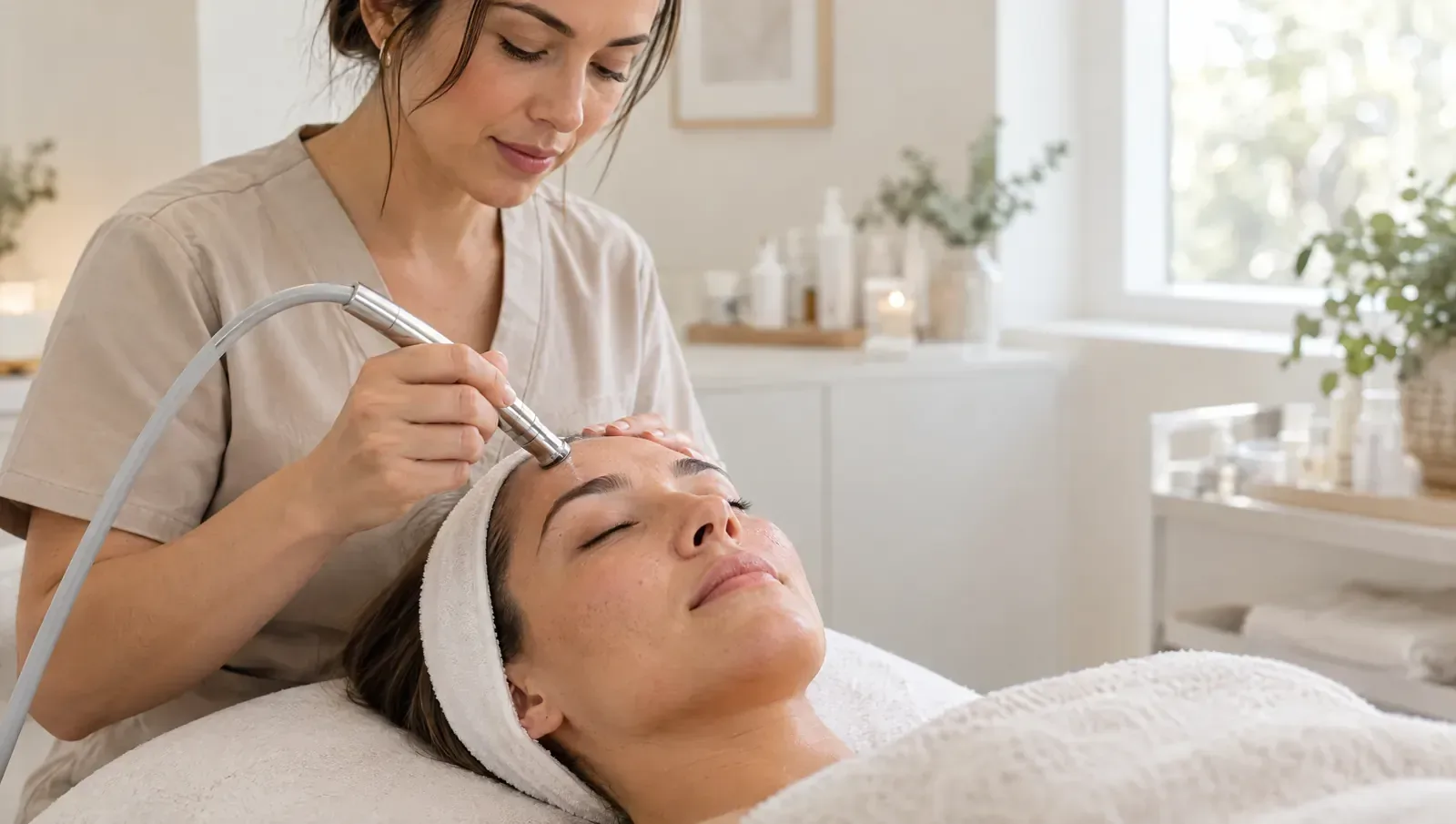
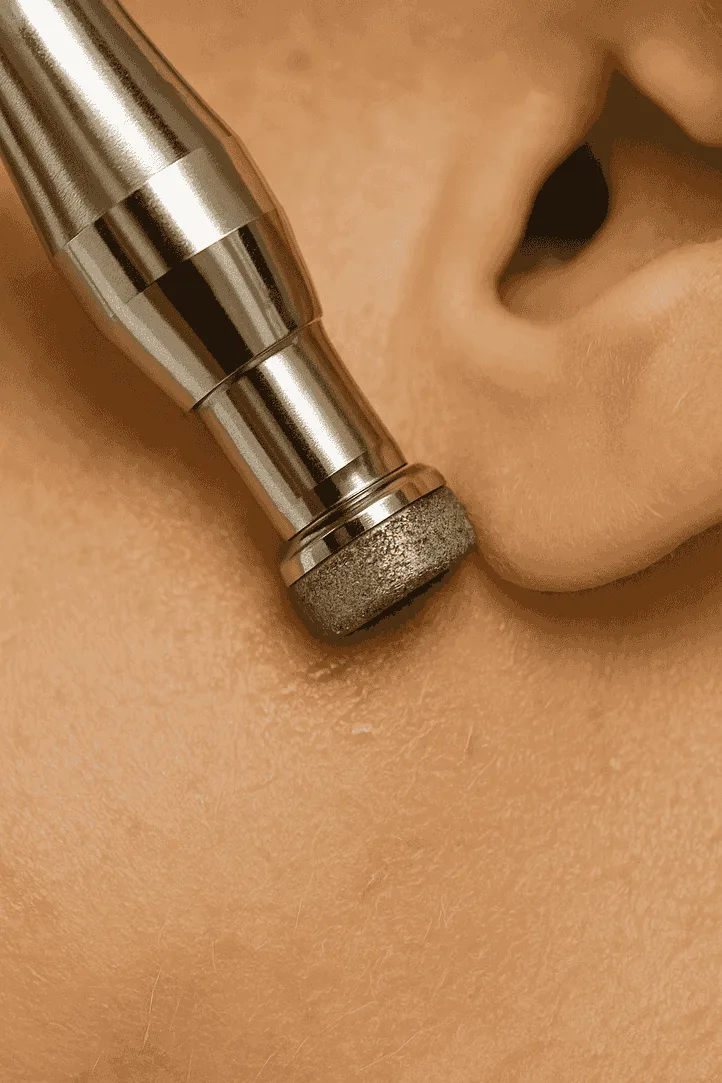
Microdermabrasion is a popular, non-invasive skin treatment that gently exfoliates the skin to remove dead cells and promote a healthier, more radiant complexion. This advanced exfoliation technique uses fine crystals or a diamond-tipped wand to buff away the outer layer of skin while simultaneously vacuuming away debris. As one of the most requested facial treatments at med spas across the United States and Canada, microdermabrasion offers impressive skin rejuvenation results with minimal downtime.
Unlike invasive procedures, this cell turnover-promoting treatment works primarily on the skin's surface level, making it accessible to a wide range of skin types and concerns.
Benefits of Microdermabrasion
Diamond microdermabrasion offers numerous benefits that have made it a staple in skincare routines at med spas everywhere.
Smooths Fine Lines and Wrinkles
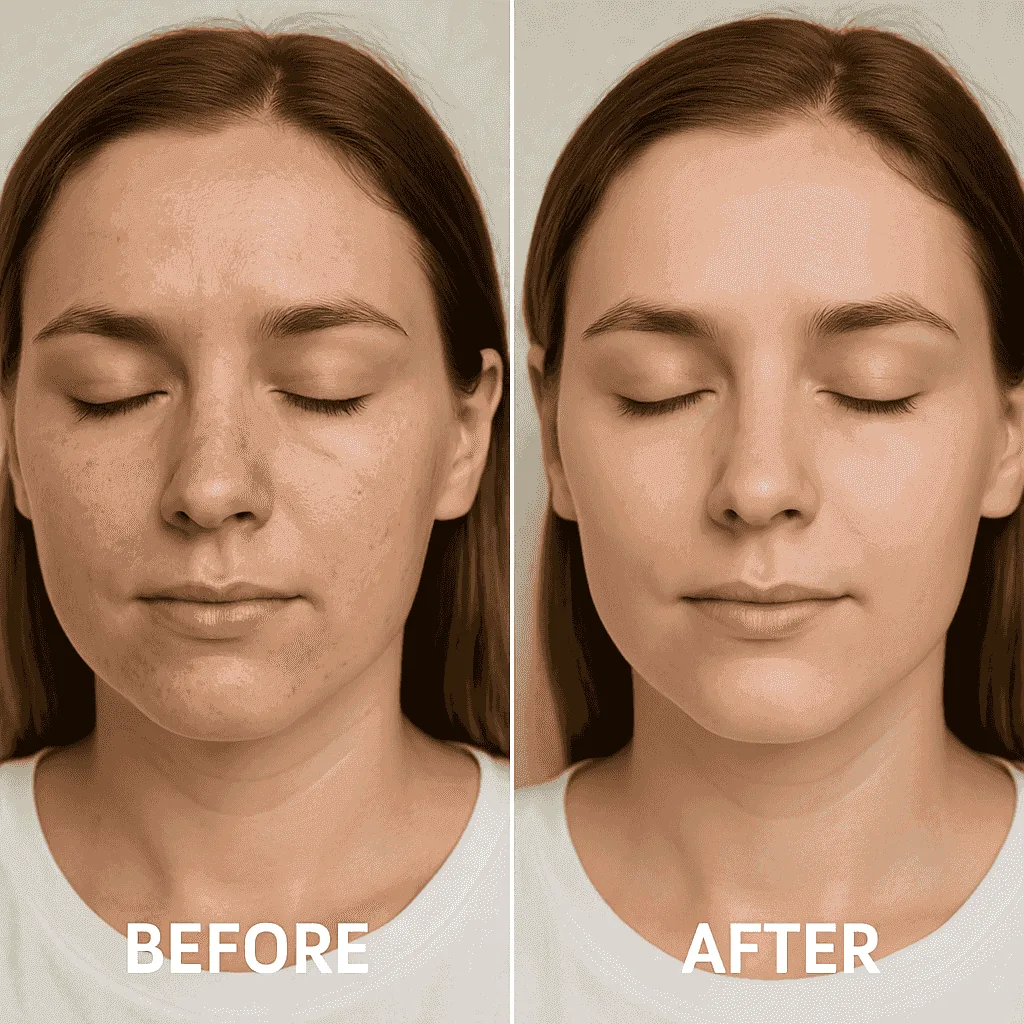
Through mechanical exfoliation, this treatment boosts natural collagen synthesis, helping diminish visible fine lines — particularly in delicate areas like eye corners and lip borders. While it won't eliminate deep wrinkles, consistent treatments can significantly improve the appearance of minor creasing.
Fades Dark Spots and Acne Scars
By removing the outermost layer of skin, this exfoliation technique helps fade hyperpigmentation, sun damage, and superficial acne scarring. The process promotes cellular renewal, resulting in fresh skin cells with more uniform pigmentation.
Improves Overall Skin Texture and Tone
Regular treatments can transform rough, uneven skin into a smoother, more refined surface. The brightening effects are noticeable as the exfoliation removes dull, dead skin cells that contribute to a lackluster appearance.
Potential Side Effects and Who Should Avoid It
Common Side Effects
Most side effects are mild and temporary, typically resolving within 24–48 hours:
- •Temporary redness (similar to mild sunburn)
- •Slight swelling
- •Skin sensitivity
- •Dryness or flaking
- •Bruising (rare, but possible with stronger suction)
Who Should Avoid Microdermabrasion
This treatment isn't recommended for individuals with:
- •Active inflammatory acne
- •Rosacea in an active flare
- •Open wounds or cuts
- •Recent sunburn
- •Certain skin conditions (eczema, psoriasis, dermatitis)
- •Recent use of isotretinoin (Accutane)
- •History of keloid scarring
What to Expect: Before, During, and After
Before Treatment
Your provider will conduct a thorough assessment of your skin concerns, medical history, and expectations. Before your appointment, avoid retinoids and other exfoliants for 3–5 days and arrive with clean skin free of makeup.
During Treatment
The procedure typically takes 30–60 minutes and progresses as follows:
- 1Your skin will be thoroughly cleansed.
- 2The provider will use either crystal or diamond microdermabrasion across the treatment area.
- 3You'll feel a mild scratching or pulling sensation — not typically painful.
- 4After exfoliation, soothing products including moisturizer and sunscreen will be applied.
After Treatment
Your skin may appear slightly pink or red immediately after treatment and feel tighter than usual. To maximize results and protect your skin:
- •Apply broad-spectrum SPF 30+ sunscreen daily.
- •Keep skin hydrated with gentle moisturizers.
- •Avoid exfoliation for at least 48 hours.
- •Skip makeup for 24 hours if possible.
- •Stay hydrated and avoid excessive heat.
Microdermabrasion vs. Other Treatments
Microdermabrasion vs. Chemical Peel
Microdermabrasion uses physical exfoliation with crystals or diamond tips, working primarily on the surface level with minimal downtime (0–24 hours). Chemical peels use acids to dissolve dead skin cells and can penetrate deeper, with downtime ranging from 1–14 days depending on strength. For brightening skin with minimal recovery time, microdermabrasion is often preferred, while chemical peels may be better for stubborn pigmentation issues.
Microdermabrasion vs. Other Options
HydraFacial combines exfoliation with hydration and serum infusion, providing a gentler treatment with an emphasis on moisturizing benefits. Dermaplaning removes vellus hair (peach fuzz) along with dead skin cells using a surgical blade rather than abrasion. Microneedling penetrates to the dermis (deeper layer) with 2–4 days of recovery time but offers better results for deeper acne scars and wrinkles.
Frequently Asked Questions
How many sessions do I need?
Most providers recommend 5–8 treatments spaced 2–4 weeks apart, followed by maintenance treatments every 4–8 weeks.
Is it safe for sensitive skin?
Yes, but with caution. Inform your provider about your sensitivity so they can adjust the intensity accordingly.
Will one session make a difference?
Yes — many clients notice immediately improved skin texture after a single treatment, though lasting improvements in concerns like fine lines and hyperpigmentation require multiple sessions.
Can I do microdermabrasion at home?
At-home devices are available but are typically less powerful than professional equipment. These can be useful for maintenance between professional treatments.
Real-Life Testimonials and Expert Insights
"After years of sun damage, my skin looked dull and uneven. After just three microdermabrasion sessions, friends started commenting on my 'glow.' It's been the most effective exfoliation treatment I've tried with zero downtime." — Sarah T., 42, Chicago
"Microdermabrasion remains one of the most versatile and accessible treatments we offer. For patients not ready for more invasive procedures but wanting noticeable improvement in cell turnover, it provides excellent results with virtually no risk when performed by qualified professionals." — Dr. Melissa Chen, Board-Certified Dermatologist, San Francisco

Finding the Right Provider
The quality of your results correlates strongly with the competence and certification of your skincare provider. When searching for microdermabrasion treatments near you, consider:
- •Proper licensing and specific training.
- •Experience with the procedure.
- •Facility cleanliness and sterilization protocols.
- •Quality of equipment.
- •Before/after portfolio of previous clients.
From our blog
Tips, guides, and treatment insights.
Explore tips, trends, and insights in wellness from our latest blog posts.
Aug 20, 2026
Is CoolSculpting Worth It? Cost, Results & Alternatives (2026)
CoolSculpting delivers a permanent 20-25% fat reduction per area for $600-$1,200 per cycle, and 76% of RealSelf patients say it was worth the ~$2,425 they paid.
Botox

Aug 18, 2026
How Much Does Laser Hair Removal Cost in Vancouver? (2026 Price Guide)
Laser hair removal in Vancouver costs $45 to $500 per session in 2026 ($550-$750 full body). Most areas run $90-$200; plan on 6 to 8 sessions for lasting result
Botox

Aug 17, 2026
Best Med Spas in Ottawa (2026): Prices, Neighbourhoods & How to Choose
Ottawa med spa guide for 2026: Botox $9-$15 per unit, lip filler $500-$800, HydraFacial $150-$300. Prices by neighbourhood, Ontario injector rules and how to co
Botox
Aug 11, 2026
Botox vs Dysport: Which Lasts Longer and Costs Less? (2026)
Botox vs Dysport in 2026: onset, how long each lasts, spread, and real cost by area ($250-$520). See why per-unit price misleads and which to choose.
Botox