
Apr 2, 2025
Rehabilitation: How to Rebuild Your Body, Mind, and Life—A Step-by-Step Guide to Full Recovery
Explore a step-by-step guide to full recovery. Learn how to heal physically, mentally, and emotionally with effective rehabilitation strategies.
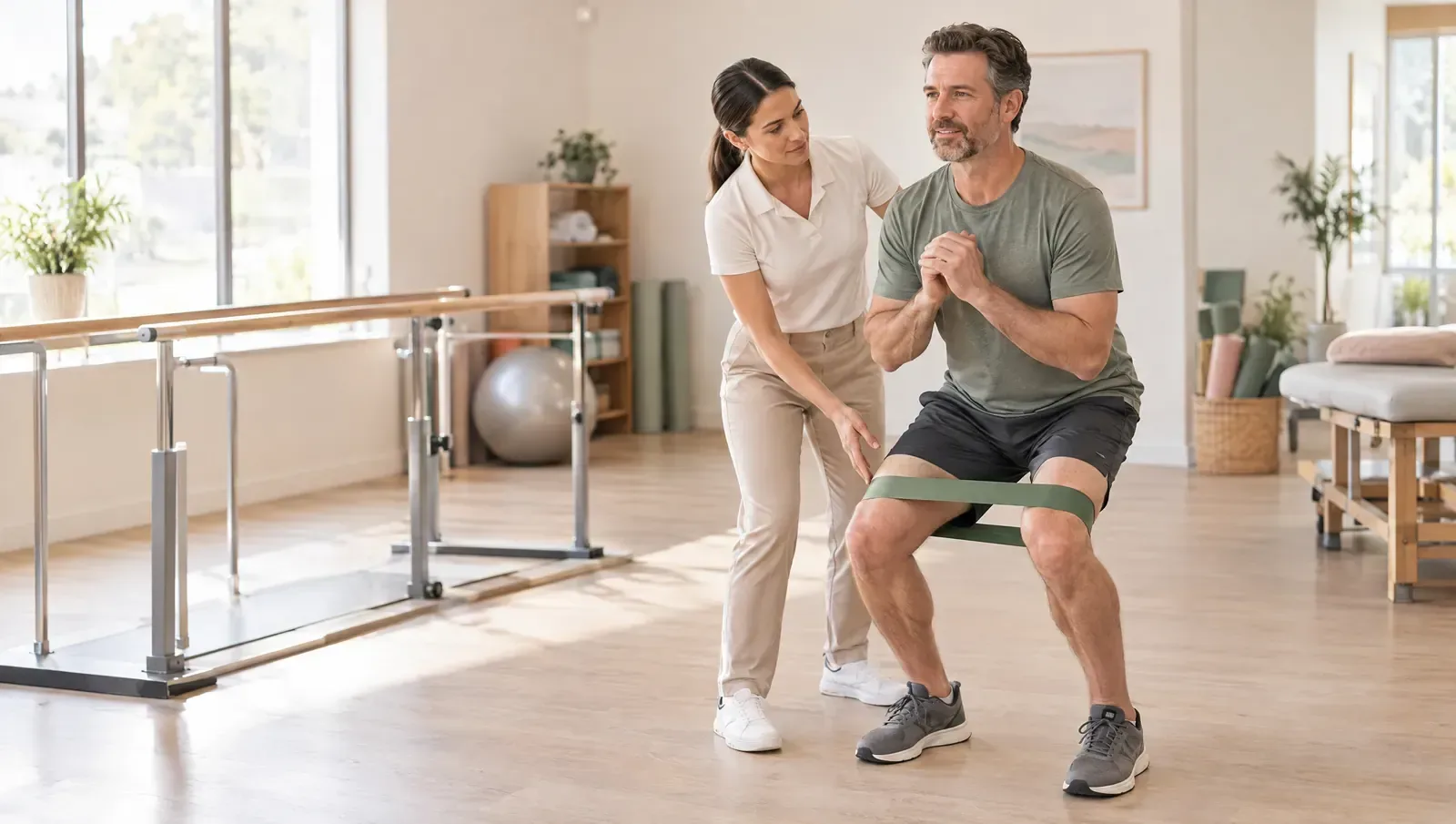
Rehabilitation is more than just recovering from an injury — it's about rebuilding your strength, confidence, and overall well-being. Whether you're healing from surgery, managing chronic pain, overcoming emotional trauma, or recovering from addiction, the right rehabilitation plan can help you reclaim your life.
This guide is designed for individuals seeking rehabilitation services, including med spa treatments, beauty procedures, wellness therapies, and holistic healing. It also serves as a resource for med spas, beauty clinics, and wellness professionals looking to connect with clients in need of rehabilitation solutions through Med Spa Find.
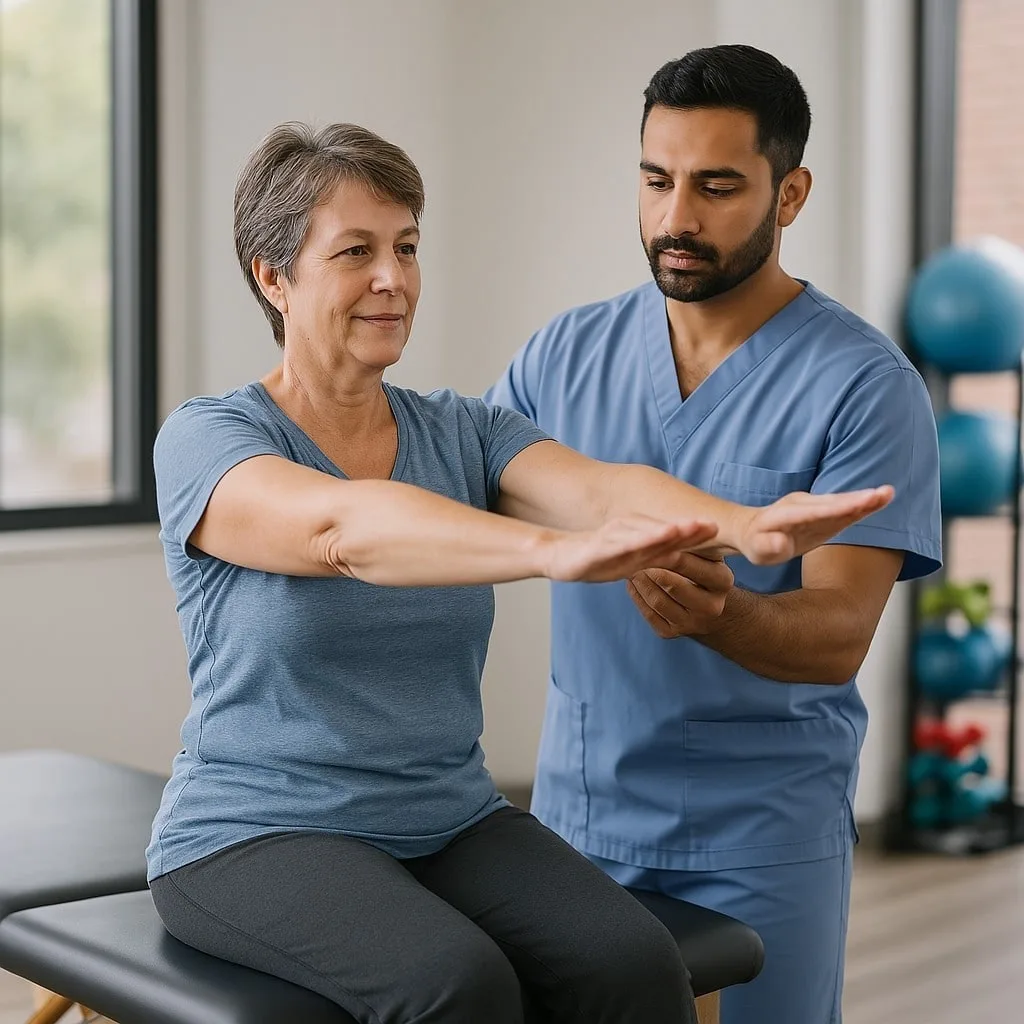
Understanding Rehabilitation: A Holistic Approach
Rehabilitation isn't just about fixing what's broken — it's about nurturing your whole self. A holistic recovery plan includes:
- •Physical Rehabilitation: Restoring movement, strength, and flexibility.
- •Mental and Emotional Recovery: Managing stress, anxiety, and trauma.
- •Lifestyle and Wellness: Building long-term habits that support overall health.
- •Aesthetic and Cosmetic Rehabilitation: Enhancing confidence and restoring appearance post-injury or surgery.
Step 1: Acknowledge the Need for Rehabilitation
The first step is acknowledging when assistance is necessary. Many people delay seeking treatment because they believe they can push through on their own. However, early intervention can make a significant difference in your recovery.
Signs you may need rehabilitation support:
- •Struggling with daily activities due to pain or limited mobility.
- •Feeling emotionally overwhelmed, anxious, or stuck in negative thought patterns.
- •Dealing with the effects of addiction or unhealthy coping mechanisms.
- •Needing post-surgical care or aesthetic treatments to restore confidence.
Reaching out for support is a brave decision — not a sign of vulnerability, but an important move towards recovery.
Step 2: Setting Recovery Goals
Recovery is more effective when you have a clear roadmap. Setting SMART goals (Specific, Measurable, Achievable, Relevant, and Time-bound) helps you stay focused and motivated.
Examples of recovery goals:
- •Short-term: Complete a two-week physical therapy program to regain mobility.
- •Long-term: Return to full strength within six months after surgery.
- •Emotional: Practice daily mindfulness exercises to reduce stress.
- •Aesthetic: Undergo a scar-reduction treatment to improve skin appearance.
Writing down your goals and tracking progress can help you stay committed and celebrate small wins along the way.
Step 3: Finding the Right Rehabilitation Program
Not all rehabilitation programs are the same. Your recovery journey should be tailored to your specific needs.
Types of Rehabilitation Programs
- •Inpatient Rehabilitation: Ideal for serious injuries, surgeries, or addiction recovery.
- •Outpatient Therapy: Allows you to continue daily life while receiving treatment.
- •Home-Based Recovery: Involves virtual therapy sessions or self-directed rehabilitation.
Choosing the Right Rehabilitation Specialists
- •Physical Therapists: For injury and mobility recovery.
- •Psychologists and Counselors: For mental health and emotional support.
- •Addiction Specialists: To guide those recovering from substance abuse.
- •Med Spa Professionals and Aesthetic Experts: For post-surgical care and beauty treatments.

Step 4: The Rehabilitation Process — What to Expect
Healing takes time, and each type of recovery has its own journey.
For Physical Recovery
- •Regular physical therapy sessions to regain strength.
- •Pain management techniques such as massage, acupuncture, and hydrotherapy.
- •A nutrient-dense diet to aid the healing process.
For Mental and Emotional Recovery
- •Therapy and counseling to process emotions and trauma.
- •Mindfulness practices like meditation to reduce stress.
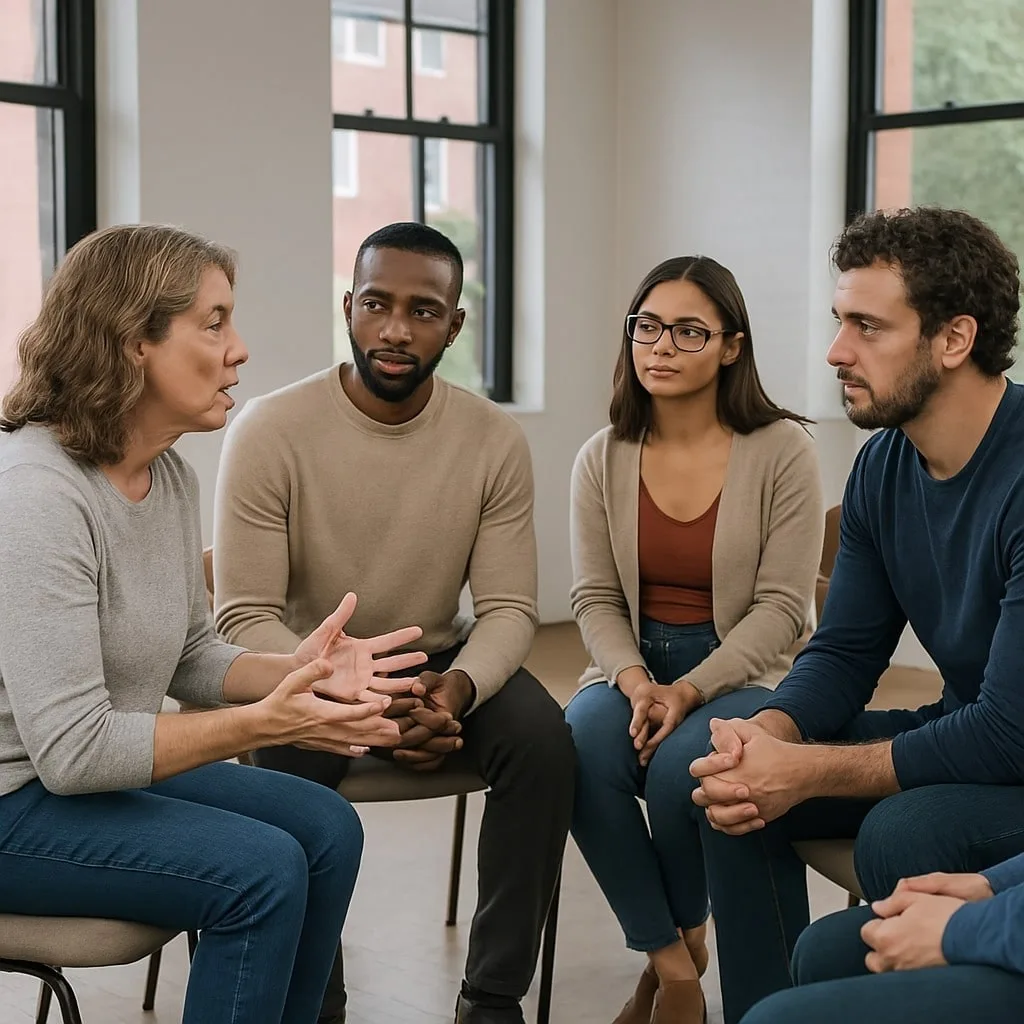
- •Support groups to share experiences and build resilience.
For Addiction Recovery
- •Supervised detox to manage withdrawal symptoms.
- •Participation in support groups (AA, NA, or online communities).
- •Strategies to avoid triggers and prevent relapse.
Recovery isn't linear — there will be good days and tough days. Be patient with yourself throughout the process.
Step 5: Overcoming Challenges in Rehabilitation
Rehabilitation isn't easy, and setbacks are part of the process. Here's how to push through:
- 1Stay Motivated Through Setbacks: Accept that healing takes time and celebrate small victories. Remind yourself why you started your recovery journey.
- 2Build a Strong Support System: Surround yourself with encouraging friends and family. Seek professional guidance when needed.
- 3Stay Disciplined and Committed: Stick to your treatment plan, even when progress feels slow. Create a daily routine to reinforce healthy habits.
Step 6: Life After Rehabilitation — Maintaining Progress
Completing a rehabilitation program is an incredible achievement, but your journey doesn't end there. With the right mindset and strategies, the improvements you've made can continue to grow.
Healthy Habits for Lifelong Wellness
- •Physical Activity: Keep up with your physical therapy exercises or a customized workout plan.
- •Balanced Nutrition: Develop a diet that boosts energy and supports your body's needs.
- •Rest and Recovery: Prioritize sleep for optimal ongoing healing.
Support Networks After Rehabilitation
- •Support Groups: Continue engaging to share experiences and stay connected.
- •Health Care Team: Check in with your rehabilitation specialists to ensure you're maintaining progress.
- •Community Engagement: Staying socially active can help you maintain overall well-being.
Track your long-term goals and celebrate each milestone, no matter how small. Reflect on your journey with gratitude to stay motivated. If setbacks occur, don't hesitate to seek professional support — whether it's your physical therapist or a counselor, reaching out is an essential part of maintaining progress.
Conclusion: Embrace Your Path to Full Recovery
Rehabilitation is a journey of resilience, growth, and transformation. It's not just about healing your body — it's about reclaiming your confidence, strength, and sense of self. Whether you're recovering from an injury, overcoming emotional trauma, battling addiction, or seeking aesthetic rehabilitation, each step forward brings you closer to a healthier, more fulfilling life.
Healing isn't always linear — you'll have good days and setbacks, but what truly matters is your commitment to moving forward. Surround yourself with supportive people, set realistic goals, and celebrate every milestone along the way.
From our blog
Tips, guides, and treatment insights.
Explore tips, trends, and insights in wellness from our latest blog posts.
Aug 20, 2026
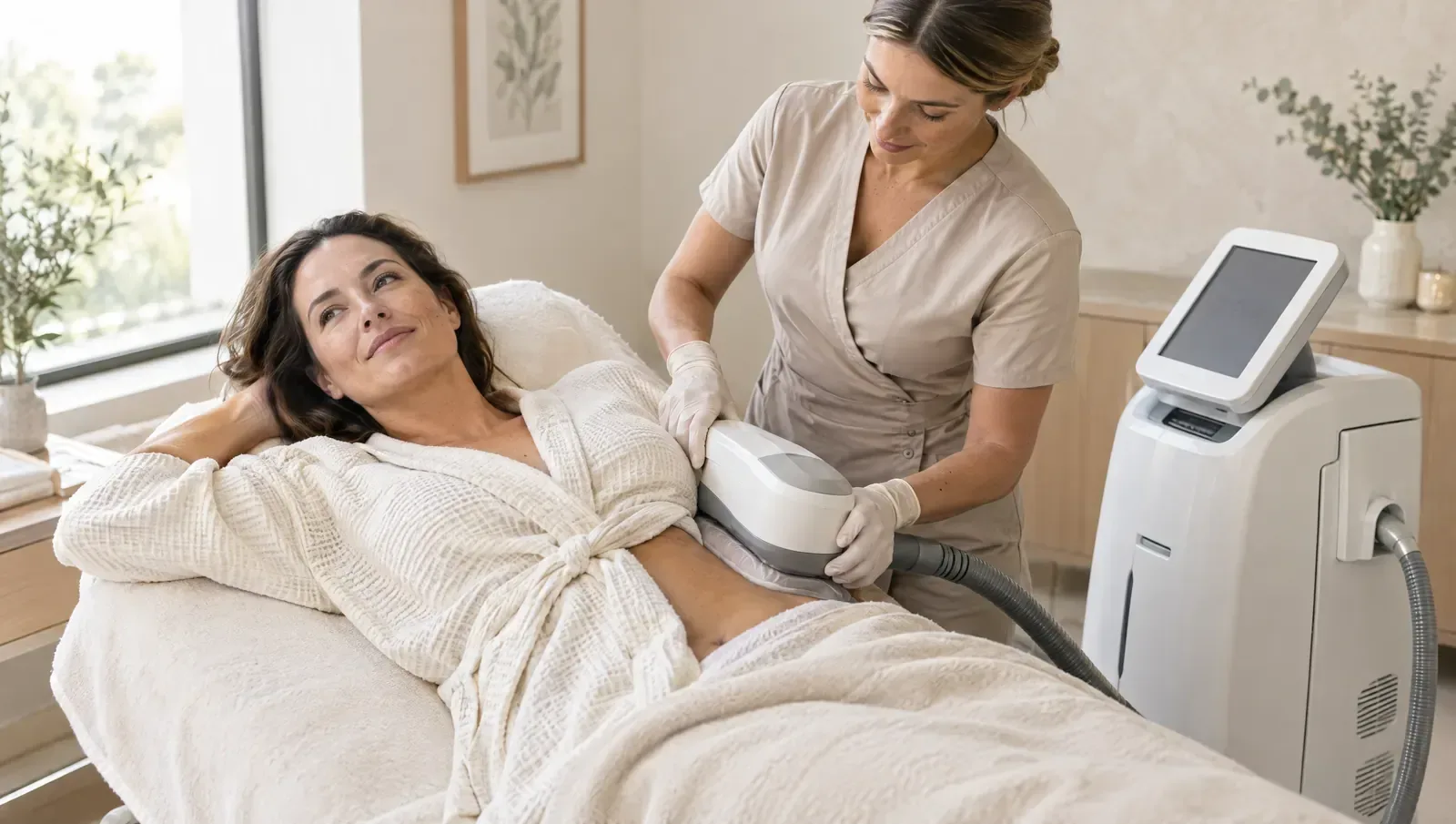
Is CoolSculpting Worth It? Cost, Results & Alternatives (2026)
CoolSculpting delivers a permanent 20-25% fat reduction per area for $600-$1,200 per cycle, and 76% of RealSelf patients say it was worth the ~$2,425 they paid.
Botox
Aug 18, 2026
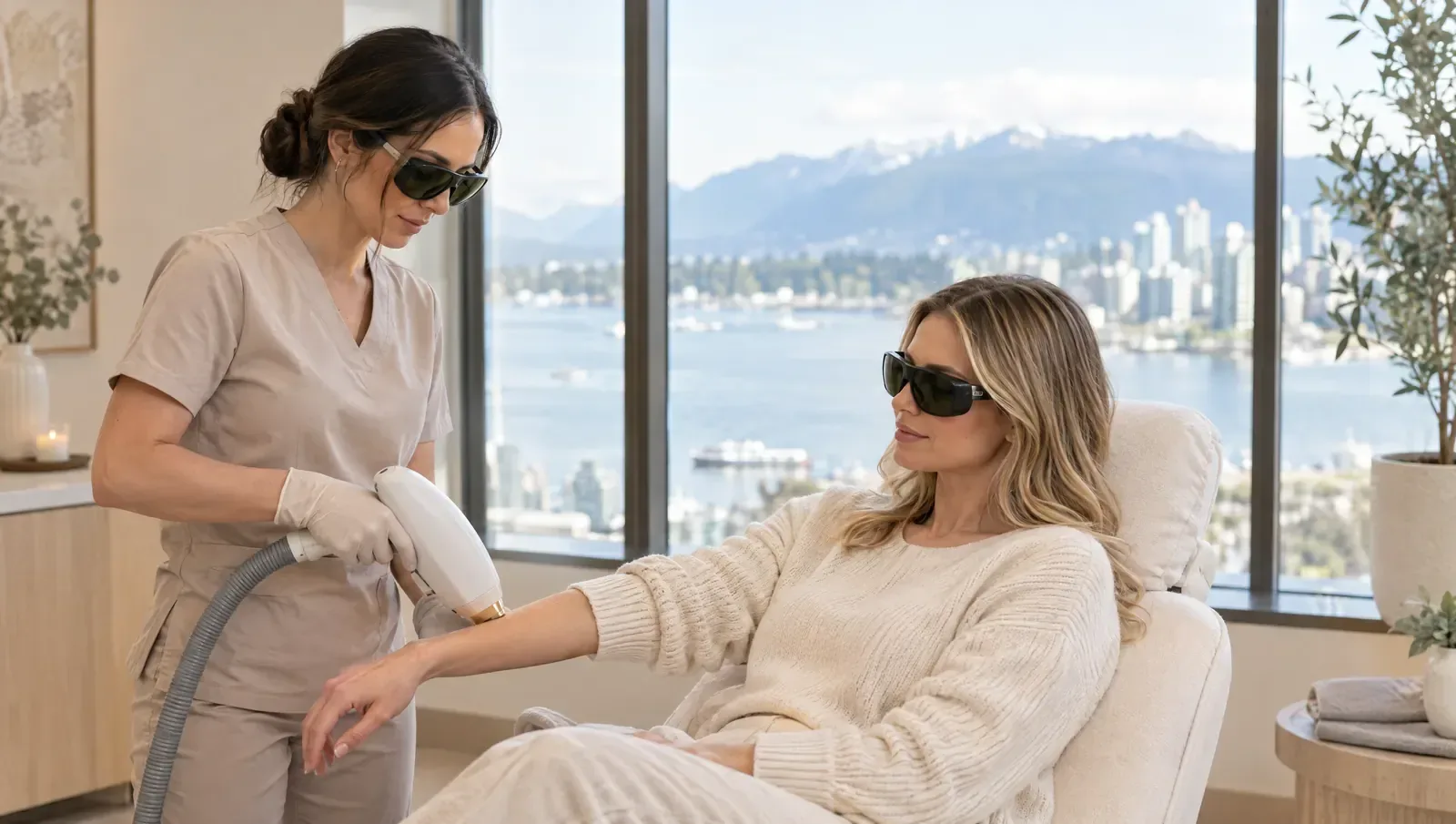
How Much Does Laser Hair Removal Cost in Vancouver? (2026 Price Guide)
Laser hair removal in Vancouver costs $45 to $500 per session in 2026 ($550-$750 full body). Most areas run $90-$200; plan on 6 to 8 sessions for lasting result
Botox

Aug 17, 2026
Best Med Spas in Ottawa (2026): Prices, Neighbourhoods & How to Choose
Ottawa med spa guide for 2026: Botox $9-$15 per unit, lip filler $500-$800, HydraFacial $150-$300. Prices by neighbourhood, Ontario injector rules and how to co
Botox
Aug 11, 2026
Botox vs Dysport: Which Lasts Longer and Costs Less? (2026)
Botox vs Dysport in 2026: onset, how long each lasts, spread, and real cost by area ($250-$520). See why per-unit price misleads and which to choose.
Botox