
Jan 6, 2025
The Ultimate Guide to Laser Hair Removal
Discover the ultimate guide to laser hair removal. Learn about costs, benefits, risks, and what to expect during and after treatment. Achieve smooth, hair-free

What Is Laser Hair Removal and How Does It Work?
Laser hair removal is a cutting-edge cosmetic procedure designed to reduce unwanted hair using concentrated light technology. The laser emits a specific wavelength of light that targets the melanin in the hair follicle. This light converts to heat, damaging the follicle and inhibiting future hair growth. Over time, this results in significantly reduced hair growth and smoother skin.
The procedure is tailored to individual needs based on factors like hair type, color, and skin tone. Popular areas for treatment include the face, underarms, legs, and bikini line, but it can be performed almost anywhere on the body. It’s most effective on individuals with darker hair and lighter skin, although advances in technology now accommodate a broader range of skin tones.
While often marketed as a “permanent solution,” laser hair removal typically requires multiple sessions for optimal results, as hair grows in cycles. Maintenance sessions may also be necessary to target new hair growth.
Laser hair removal is an effective, long-term solution to reduce unwanted hair, with results varying based on individual characteristics like skin tone and hair type. Always consult a professional to assess your suitability for the procedure.

Benefits of Laser Hair Removal
Laser hair removal stands out as a popular choice for individuals seeking smoother skin without the hassle of traditional methods like shaving or waxing. Here’s an in-depth look at its benefits:
1. Long-Term Results
Unlike shaving or waxing, which provide temporary relief, laser hair removal offers lasting results. Most patients experience a significant reduction in hair growth after completing the recommended treatment plan. According to studies, laser hair removal can reduce hair growth by up to 90%.
2. Precision and Speed
The laser technology targets hair follicles with incredible precision, leaving the surrounding skin untouched. This is especially beneficial for sensitive areas like the face and bikini line. Moreover, the process is relatively fast; small areas like the upper lip can be treated in minutes, while larger areas like the legs take under an hour.
3. Fewer Ingrown Hairs
Ingrown hairs can be a painful nuisance, particularly with methods like waxing or shaving. Laser hair removal significantly reduces the occurrence of ingrown hairs by targeting the follicle itself, ensuring smoother and irritation-free skin.
4. Saves Time and Money
Although the upfront cost may seem higher, laser hair removal is a cost-effective solution in the long run. It eliminates the recurring expenses of razors, shaving creams, and waxing appointments. Plus, it saves countless hours spent on regular hair removal routines.
5. Suitable for All Areas
Laser hair removal is versatile, capable of treating almost any area of the body, including legs, underarms, back, and even delicate areas like the upper lip and bikini line. This flexibility makes it an excellent choice for people with diverse needs.
6. Enhanced Confidence
Hair-free skin often boosts confidence, especially in summer months or when wearing certain types of clothing. For many, laser hair removal provides peace of mind and freedom from worrying about stubble or missed spots.
Laser hair removal offers a combination of convenience, efficiency, and long-term cost savings, making it an appealing option for people seeking a lasting solution to unwanted hair.
Risks and Side Effects of Laser Hair Removal
Laser hair removal is generally safe when performed by a trained professional, but like any cosmetic procedure, it carries certain risks and side effects. Here’s what you need to know to make an informed decision.
1. Common Side Effects
The most frequently reported side effects are mild and temporary:
- • Redness and Swelling: These are common immediately after treatment and resemble a mild sunburn. They typically subside within a few hours.
- • Itching: Some individuals may experience mild itching around the treated area. Hydrating creams or aloe vera gel can help soothe discomfort.
- • Pigmentation Changes: Temporary darkening or lightening of the skin may occur, particularly in individuals with darker skin tones or those who’ve had recent sun exposure.
2. Rare Complications
While rare, more serious side effects can arise:
- • Blistering or Scarring: Improper laser settings or inadequate aftercare can lead to blisters or even scars.
- • Burns: This occurs if the laser’s energy is too intense for the individual’s skin type, emphasizing the importance of working with qualified professionals.
- • Infection: Though rare, any damage to the skin increases the risk of infection.
Choosing an experienced technician and following aftercare instructions can significantly reduce the risk of complications and improve treatment results.

Is Laser Hair Removal Right for You?
Laser hair removal isn’t a one-size-fits-all solution. Its effectiveness and safety depend on various factors like skin tone, hair color, and medical conditions. Here’s a comprehensive breakdown to help you determine if it’s the right choice for you.
1. Skin Types and Hair Colors
Laser hair removal works best on individuals with lighter skin and darker hair. The contrast allows the laser to target the melanin in the hair follicle effectively. However, advancements in technology, such as Nd:YAG lasers, have made the procedure suitable for darker skin tones.
For those with lighter hair colors like blonde, red, or gray, results may be less effective because the laser has less pigment to target. Individuals with very dark skin should ensure their clinic uses lasers specifically designed for their skin type to minimize the risk of burns or pigmentation issues.
2. Hair Growth Patterns
Certain conditions, like hirsutism (excessive hair growth) or polycystic ovary syndrome (PCOS), may require more sessions or maintenance treatments. While laser hair removal can manage unwanted hair, it won’t address the underlying hormonal imbalances.
3. Pre-existing Skin Conditions
If you have sensitive skin, eczema, or a history of keloid scarring, laser hair removal might not be suitable. Consulting a dermatologist beforehand can help determine if it’s safe for you.
4. Pregnancy and Hormonal Changes
Hormonal fluctuations during pregnancy can affect hair growth, making laser treatments less predictable. Experts generally recommend waiting until postpartum for better and safer results.
5. Lifestyle Considerations
- • If you’re frequently in the sun, you’ll need to avoid sun exposure during treatment periods.
- • Those who prefer quick solutions might not enjoy the multi-session commitment laser hair removal requires.
Laser hair removal is most effective for individuals with darker hair and lighter skin, but recent advances make it accessible to a wider audience. Always consult a professional to evaluate your unique needs and circumstances.
FAQs About Laser Hair Removal
How Many Sessions Will I Need?
The number of sessions depends on the area being treated and your hair type. Most people need 6–8 sessions for optimal results. Treatments are spaced 4–6 weeks apart to target different growth cycles.
Does Laser Hair Removal Hurt?
Pain levels vary depending on the area treated and your pain tolerance. Many describe the sensation as a mild snap or sting, similar to a rubber band. Modern devices often include cooling features to minimize discomfort.
Can I Get Laser Hair Removal if I’m Pregnant?
Laser hair removal is not recommended during pregnancy due to hormonal changes that can alter results and increase skin sensitivity.
Is Laser Hair Removal Permanent?
While it significantly reduces hair growth, laser hair removal is not 100% permanent. Maintenance sessions may be needed to address new growth.
How Should I Care for My Skin After Treatment?
Avoid sun exposure, heat, and harsh products for 48 hours. Use soothing creams like aloe vera to calm the skin and always apply sunscreen to protect treated areas.
Can laser hair removal work on tattoos?
No, lasers can’t differentiate between tattoo pigment and melanin, increasing the risk of burns or scarring.
Is it safe to exercise after laser hair removal?
Avoid strenuous exercise for at least 48 hours post-treatment to prevent irritation caused by sweat and heat.
How do I know if my laser technician is qualified?
Look for certifications, ask about experience, and read reviews from past clients to ensure your technician is properly trained.
Can I shave between laser hair removal sessions?
Yes, shaving is the only hair removal method recommended between treatments since it doesn’t remove the hair follicle.
Why isn’t laser hair removal effective on white or gray hair?
These hair types lack the melanin needed to absorb the laser’s light and heat, making treatment less effective.
From our blog
Tips, guides, and treatment insights.
Explore tips, trends, and insights in wellness from our latest blog posts.
Aug 20, 2026
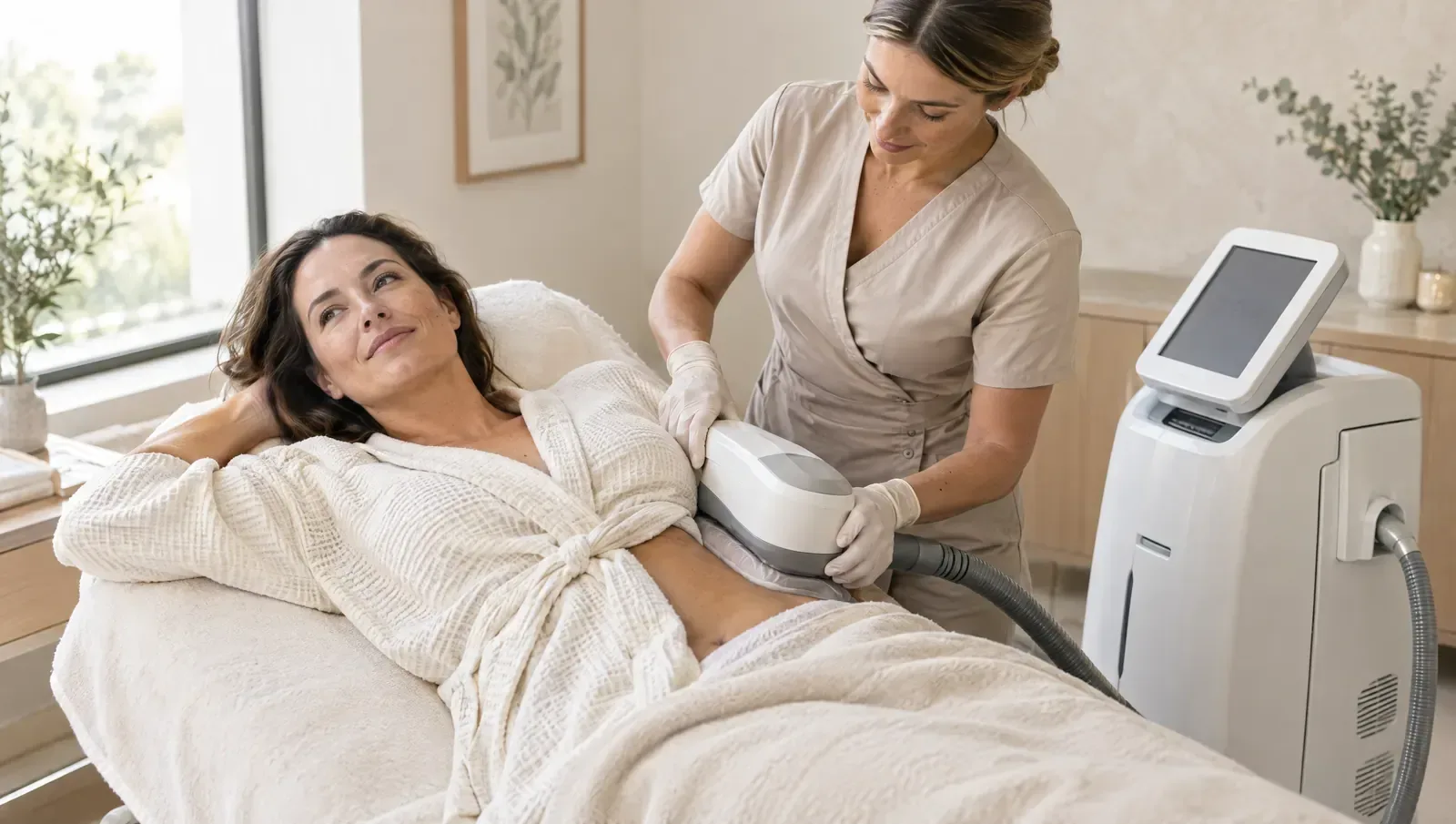
Is CoolSculpting Worth It? Cost, Results & Alternatives (2026)
CoolSculpting delivers a permanent 20-25% fat reduction per area for $600-$1,200 per cycle, and 76% of RealSelf patients say it was worth the ~$2,425 they paid.
Botox

Aug 18, 2026
How Much Does Laser Hair Removal Cost in Vancouver? (2026 Price Guide)
Laser hair removal in Vancouver costs $45 to $500 per session in 2026 ($550-$750 full body). Most areas run $90-$200; plan on 6 to 8 sessions for lasting result
Botox

Aug 17, 2026
Best Med Spas in Ottawa (2026): Prices, Neighbourhoods & How to Choose
Ottawa med spa guide for 2026: Botox $9-$15 per unit, lip filler $500-$800, HydraFacial $150-$300. Prices by neighbourhood, Ontario injector rules and how to co
Botox

Aug 11, 2026
Botox vs Dysport: Which Lasts Longer and Costs Less? (2026)
Botox vs Dysport in 2026: onset, how long each lasts, spread, and real cost by area ($250-$520). See why per-unit price misleads and which to choose.
Botox