
Apr 7, 2025
Dermaplaning 101: Benefits, Risks & How to Do It Safely at Home
Reveal smoother, fuzz-free skin with dermaplaning! Learn how this celeb-loved treatment works, its benefits, safety tips, and DIY vs pro advice.
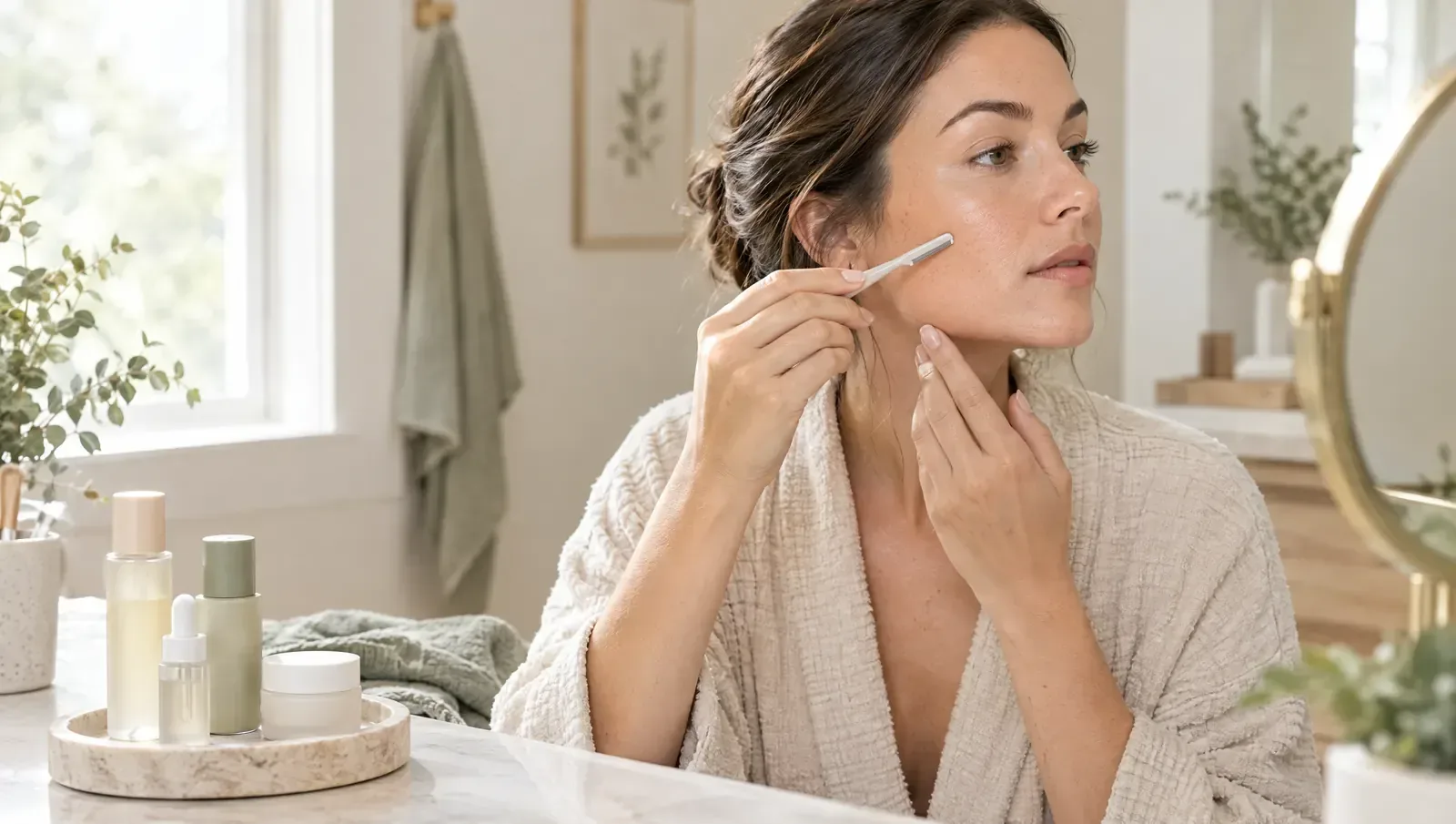
Ever wondered how celebrities maintain that flawless, fuzz-free complexion? Many of them turn to dermaplaning — a popular skin treatment that's now available at med spas across the United States and Canada. But what exactly is this treatment, and is it something you could try at home? Let's break it down in simple terms.
What Is a Dermaplaning Facial?
Think of dermaplaning as a super-effective face shaving treatment. During a dermaplaning facial, a trained professional uses a small, specialized blade to gently scrape the surface of your skin. This removes both dead skin cells and the fine, peach fuzz facial hair that can make your skin look dull.
Unlike regular shaving, dermaplaning isn't just about hair removal — it's also about skin exfoliation. Think of it as giving your skin a complete reset.
The Top Benefits of Dermaplaning for Your Skin
1. Smoother Skin Right Away
Dermaplaning instantly removes the dead, dry layer of skin cells on your face. The result is skin that feels baby-soft and looks brighter immediately after treatment.
2. Your Makeup Will Look Better
Ever notice how makeup can cling to facial fuzz or look cakey? After dermaplaning, your foundation and other makeup products will glide on smoothly and look more natural because there's no peach fuzz in the way.
3. Your Skincare Products Will Work Better
When you remove that top layer of dead skin and hair, your serums and moisturizers can actually reach your skin instead of sitting on top of dead cells. This means you get more out of your skincare routine.
4. Helps With Fine Lines
Regular dermaplaning encourages your skin to renew itself, which can help soften the appearance of fine lines. It won't eliminate deep wrinkles, but it can help your skin look fresher and younger.
5. No Recovery Time Needed
Unlike chemical peels or laser treatments that might leave you red-faced for days, most people experience little to no redness after dermaplaning. You can get it done during lunch and go right back to work.
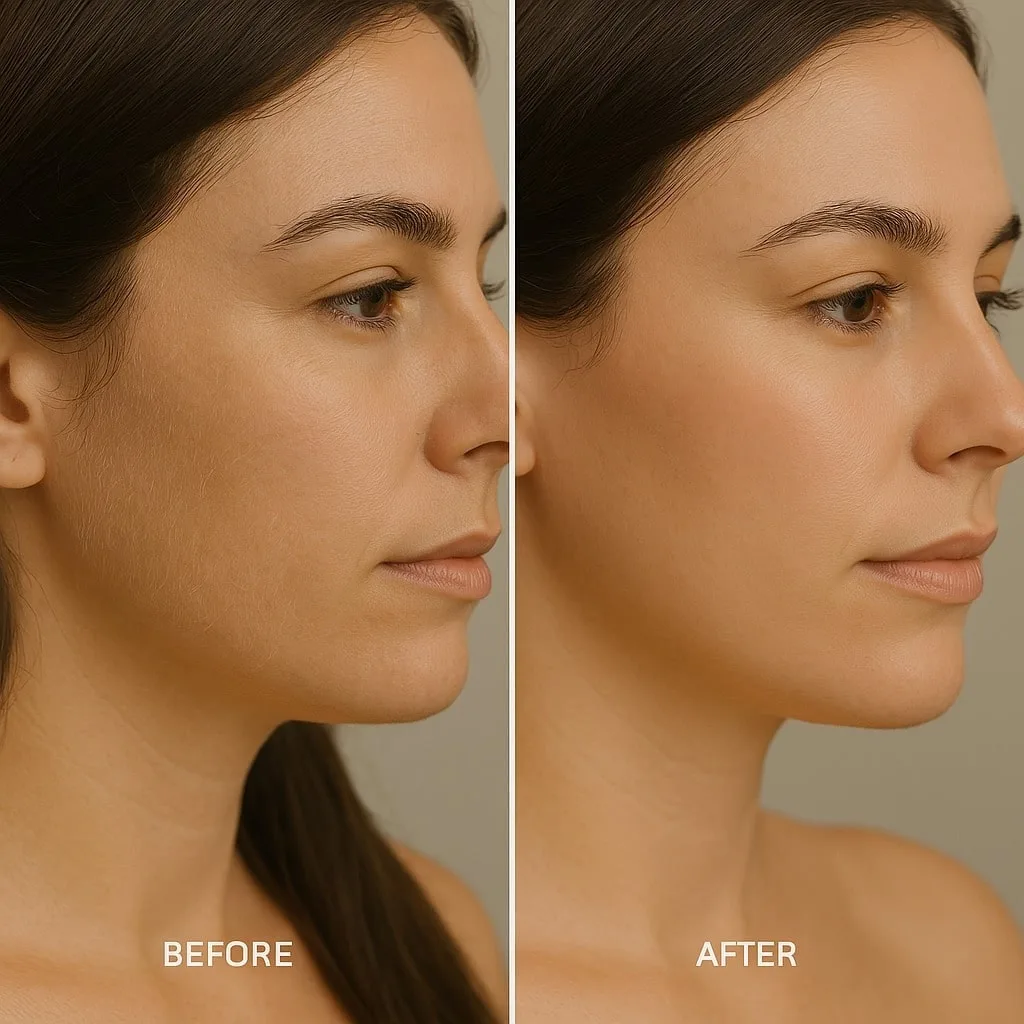
Dermaplaning Before and After: What to Expect
- •Dull-looking skin
- •Visible peach fuzz
- •Rough texture
- •Makeup that doesn't go on smoothly
- •Noticeably smoother skin
- •A brighter complexion
- •No visible facial hair
- •More even skin tone
- •Better makeup application
The results are temporary — your facial hair will grow back (no, not thicker or darker!) and your skin will produce new cells. Most people get dermaplaning every 3–4 weeks to maintain the benefits.
Dermaplaning for Sensitive Skin: Is It Safe?
Good news for those with sensitive skin — dermaplaning is typically gentler than many other exfoliation methods. Since it doesn't use harsh chemicals, many people with sensitive skin can tolerate it well. However, if you have active skin conditions like acne breakouts, severe rosacea, or eczema flare-ups, talk to a dermatologist before trying dermaplaning.
Common Myths About Dermaplaning — Busted
Myth: "Hair will grow back thicker and darker"
Truth: This simply isn't true. Dermaplaning only removes the hair at the surface level and doesn't affect the follicle or how the hair grows back. Your peach fuzz will return exactly as it was before.
Myth: "It's just shaving your face"
Truth: While similar to shaving, dermaplaning uses a professional-grade blade at a specific angle to remove both hair and dead skin cells. It's shaving with major benefits.
Myth: "It hurts"
Truth: When done correctly, dermaplaning shouldn't hurt at all. Most people describe it as feeling like a light scraping sensation.
Possible Side Effects of Dermaplaning
Dermaplaning is generally very safe, but be aware of these potential issues:
- •Small cuts: Especially if you try it at home without proper technique.
- •Temporary redness: Your skin might be slightly pink afterward.
- •Possible breakouts: Some people may experience minor pimples as their skin adjusts.
- •Sun sensitivity: Your skin will be more vulnerable to sun damage after treatment, so sunscreen is a must.
Dermaplaning vs Microdermabrasion: What's the Difference?
Both treatments exfoliate your skin, but they work differently.
- •Uses a blade to scrape away dead skin and hair.
- •Feels like light scraping.
- •Great if you want to remove peach fuzz.
- •Usually no downtime.
- •Uses tiny crystals or a diamond tip to sand away dead skin.
- •Feels slightly scratchy.
- •Doesn't remove facial hair.
- •Might cause redness for a day.
Choose dermaplaning if facial hair bothers you and you want immediate results with no downtime. Go with microdermabrasion if you have concerns like sun damage or acne scars.
Professional vs. DIY Dermaplaning
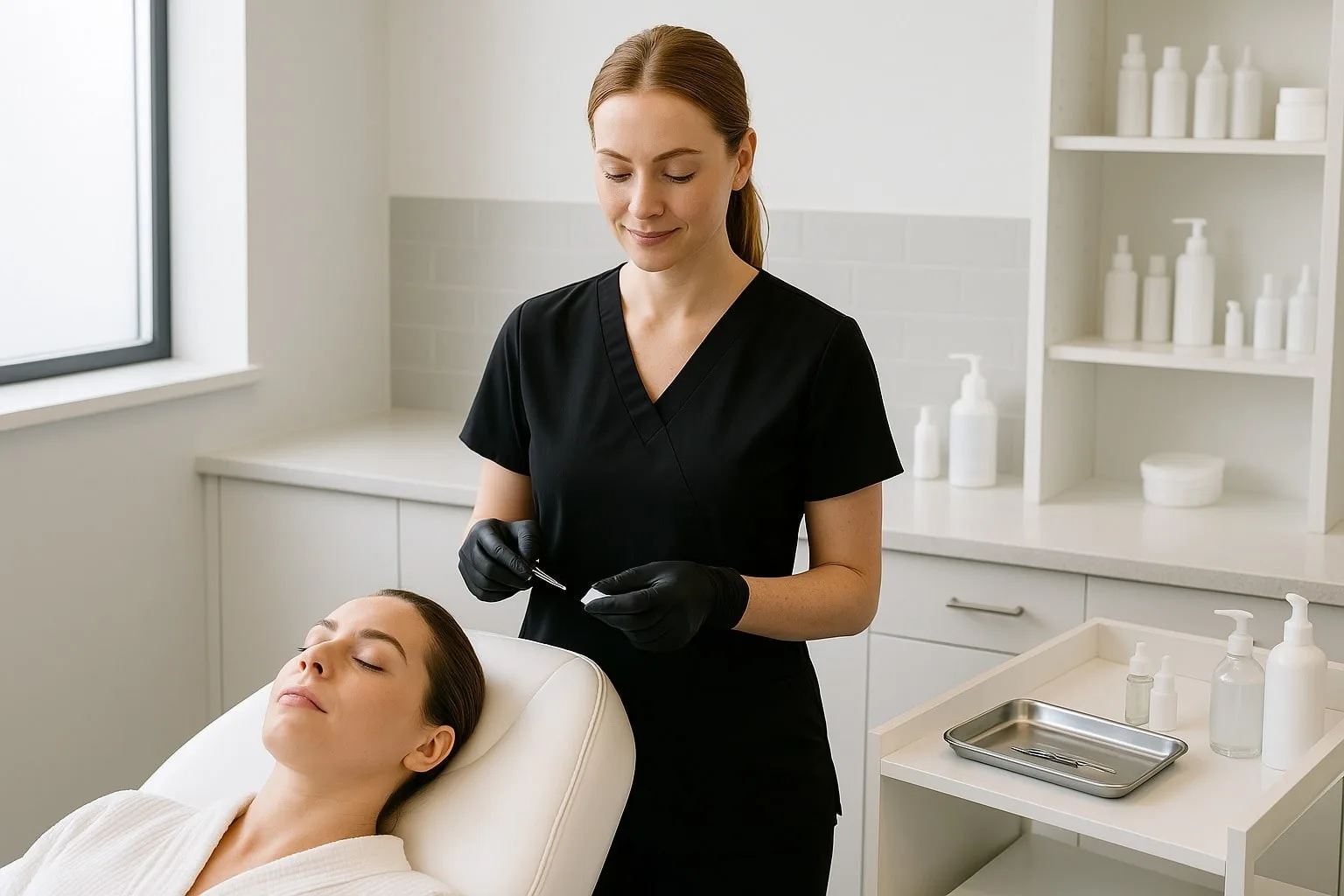
Getting It Done Professionally
At a med spa or dermatologist's office, you'll get:
- •An expert using a super-sharp, medical-grade blade.
- •A sterile environment.
- •Professional assessment of whether it's right for your skin.
- •Often combined with other treatments for better results.
- •Cost: typically $75–$200 per session.
Doing It Yourself at Home
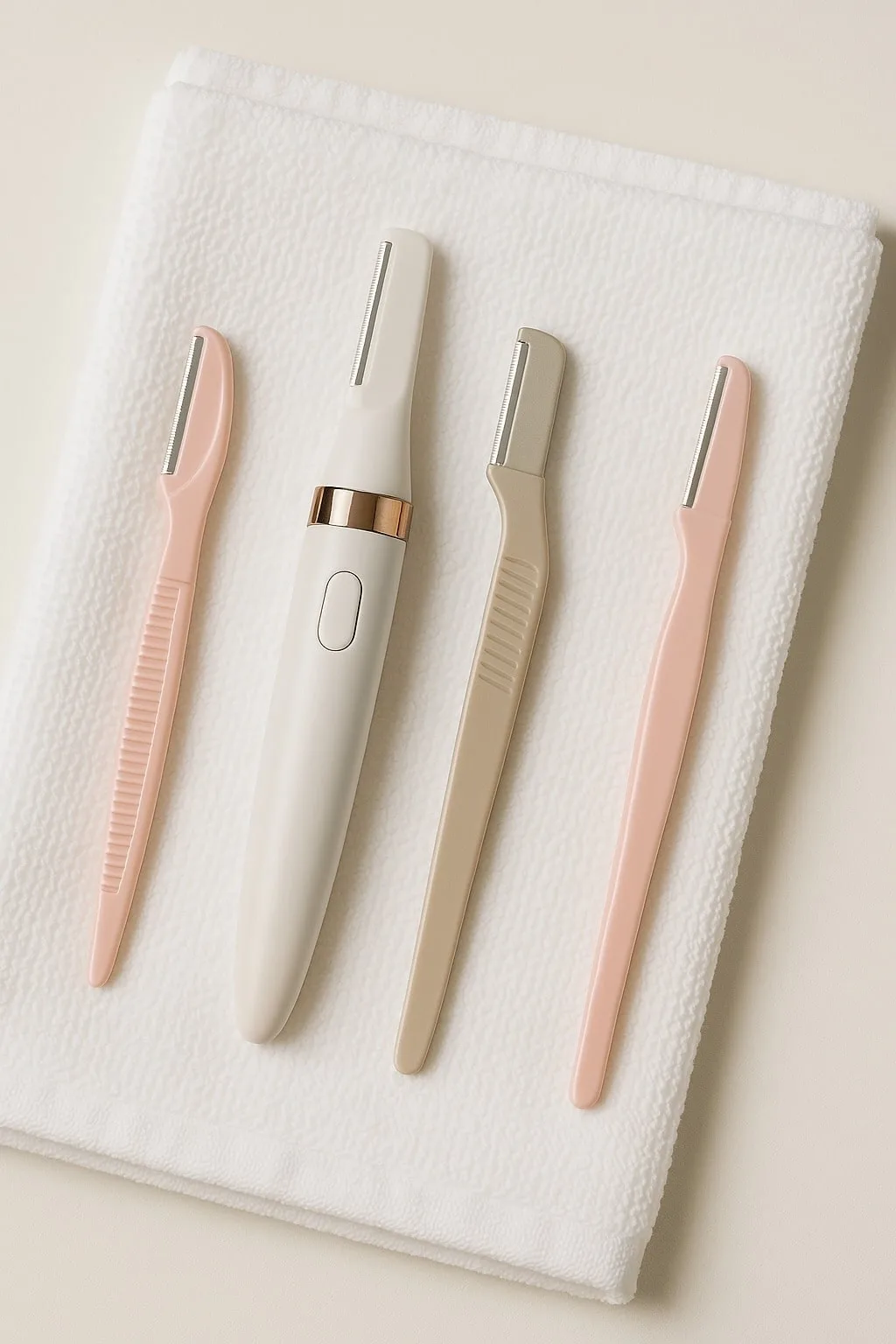
- •Uses tools specifically designed to be safer for non-professionals.
- •Much less expensive in the long run.
- •Gives you more control over when you do it.
- •Might not be as effective as professional treatments.
- •Requires careful technique to avoid cuts.
How Often Should You Dermaplane?
For best results:
- •Professional treatments: Every 4–6 weeks is typically ideal, matching your skin's natural renewal cycle.
- •At-home maintenance: Every 2–3 weeks for most skin types. If your skin is sensitive, once a month is better. Never do it more than once weekly — your skin needs time to recover.
Step-by-Step Guide to Safe At-Home Dermaplaning
Before You Start
- 1Get the right tool: Look for dermaplaning tools designed specifically for home use. Don't use regular razors.
- 2Clean your face thoroughly: Remove all makeup, dirt, and oils. Your skin should be completely clean and dry.
- 3Make sure skin is dry: Unlike regular shaving, dermaplaning works best on dry skin. Any moisture can interfere with the process.
During Dermaplaning
- 1Pull your skin tight: Use your free hand to gently stretch the area you're working on.
- 2Hold the tool at a 45-degree angle: Not too flat and not too steep.
- 3Use light, downward strokes: Always go in the direction of hair growth and never go over the same spot twice in one session.
- 4Avoid problem areas: Stay away from active breakouts, your eyelids, nose, and lips.
- 5Take it slow: Give yourself about 15–20 minutes to do your whole face carefully.
After Dermaplaning
- 1Apply gentle, hydrating products: Your skin will soak up serums and moisturizers better now.
- 2Skip the strong stuff: Don't use retinol, acids, or other potentially irritating ingredients for 24–48 hours.
- 3Wear sunscreen: Your newly exposed skin is more vulnerable to sun damage, so apply SPF 30+ every day.
- 4Clean your tools: Either dispose of single-use blades or thoroughly clean reusable tools after each use.
Who Should Skip At-Home Dermaplaning?
Dermaplaning at home isn't for everyone. Consider seeing a professional instead if you:
- •Have active acne breakouts.
- •Have skin conditions like psoriasis, eczema, or cold sores.
- •Use prescription retinoids like Tretinoin.
- •Have extremely sensitive or reactive skin.
- •Take blood thinners.
- •Tend to develop raised scars (keloids).
Finding Dermaplaning Near You with Med Spa Find
If you'd rather leave dermaplaning to the pros, Med Spa Find is a handy directory that connects you with trusted providers across the U.S. and Canada.
Why Use Med Spa Find?
- •Find local experts: Search for qualified dermaplaning specialists close to you.
- •Compare options: View prices, specialties, and treatment menus.
- •Read real reviews: See what other clients have experienced.
- •Special deals: Discover promotions and discounts.
- •Book easily: Many listings offer online booking.
How to Find Your Perfect Dermaplaning Provider
- 1Visit the Med Spa Find website or app.
- 2Enter your location.
- 3Search for "dermaplaning."
- 4Filter by price, availability, or special offers.
- 5Check out reviews and before/after photos.
- 6Book your appointment.
Using a service like Med Spa Find helps ensure you're getting treatment from properly trained professionals using safe, sterile techniques.
Is Dermaplaning Worth It?
For most people, dermaplaning is a win-win. It delivers immediately visible results with minimal risks when done properly. While professional treatments typically provide the best results, at-home maintenance can be a budget-friendly option between spa visits.
The key is knowing what works for your skin type and using the right techniques. When in doubt, start with a professional treatment to learn how your skin responds before trying it at home.
From our blog
Tips, guides, and treatment insights.
Explore tips, trends, and insights in wellness from our latest blog posts.
Aug 20, 2026
Is CoolSculpting Worth It? Cost, Results & Alternatives (2026)
CoolSculpting delivers a permanent 20-25% fat reduction per area for $600-$1,200 per cycle, and 76% of RealSelf patients say it was worth the ~$2,425 they paid.
Botox

Aug 18, 2026
How Much Does Laser Hair Removal Cost in Vancouver? (2026 Price Guide)
Laser hair removal in Vancouver costs $45 to $500 per session in 2026 ($550-$750 full body). Most areas run $90-$200; plan on 6 to 8 sessions for lasting result
Botox

Aug 17, 2026
Best Med Spas in Ottawa (2026): Prices, Neighbourhoods & How to Choose
Ottawa med spa guide for 2026: Botox $9-$15 per unit, lip filler $500-$800, HydraFacial $150-$300. Prices by neighbourhood, Ontario injector rules and how to co
Botox
Aug 11, 2026
Botox vs Dysport: Which Lasts Longer and Costs Less? (2026)
Botox vs Dysport in 2026: onset, how long each lasts, spread, and real cost by area ($250-$520). See why per-unit price misleads and which to choose.
Botox