
May 4, 2025
10 Surprising Benefits of Hand and Foot Massage Backed by Science
Discover the powerful health benefits of hand and foot massage—from stress relief to better sleep. Find certified reflexology spas near you today.
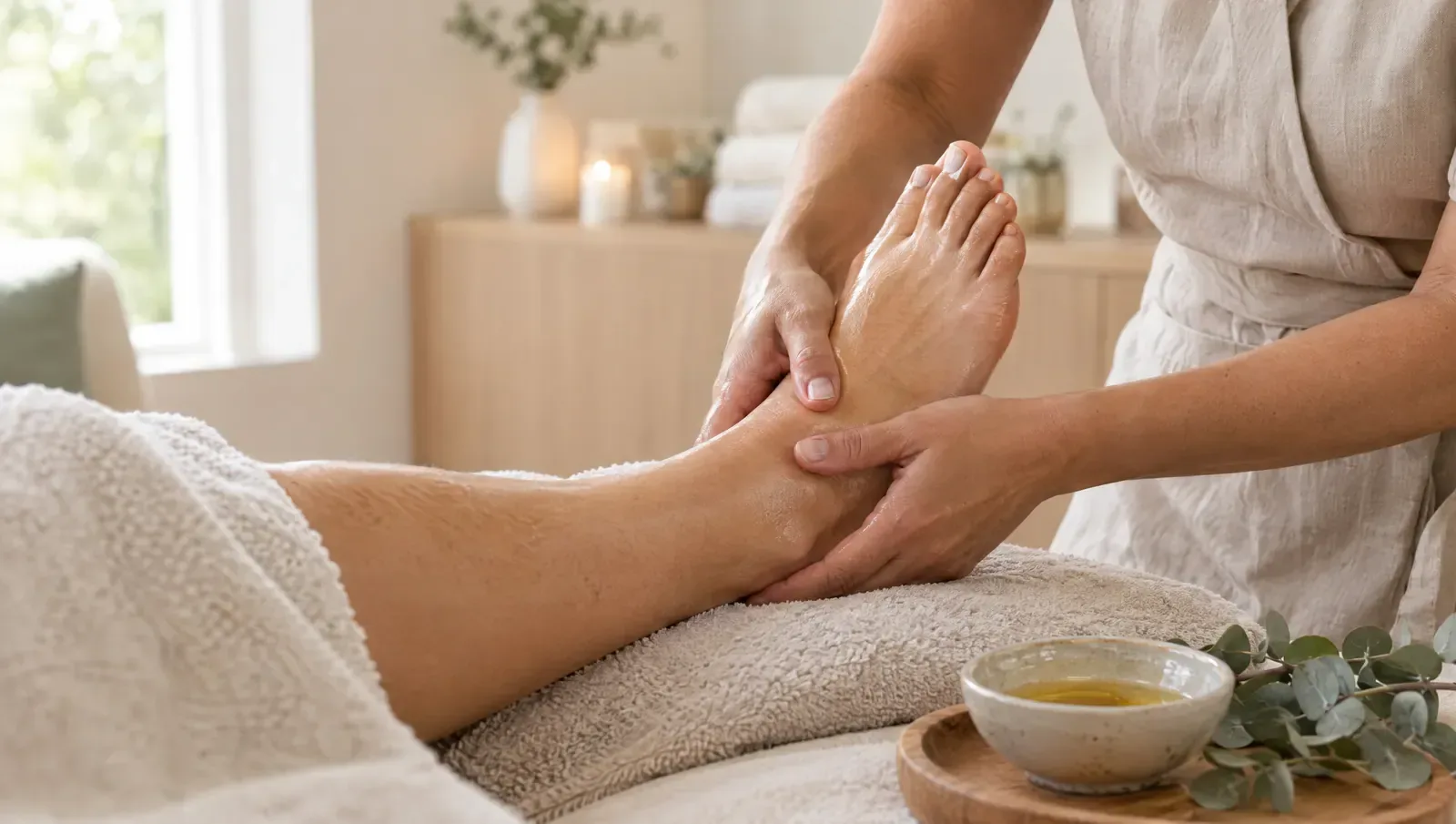
Your constantly active hands and feet have earned some dedicated care. Hand and foot massage is quickly becoming a favorite treatment among wellness seekers looking for natural ways to feel better — and there's actual science showing these massages can improve your health in ways you might not expect.
What Is Hand and Foot Massage?
Hand massage focuses on the muscles, tendons, and pressure points in your palms and fingers. It eliminates the tension that builds up from typing, texting, and all the other ways we use our hands daily — improving flexibility and targeting specific points that connect to other parts of the body through reflexology.
Foot massage engages with the sophisticated design of human feet — their dozens of bones, numerous joints, and extensive muscular network. The practitioner applies strategic pressure to mapped regions associated with different physiological functions, improving blood flow and stimulating energy pathways that can benefit the entire body.
Both types incorporate gentle stroking, deeper pressure, and specialized techniques that leave you feeling refreshed. Many comprehensive treatments combine hand and foot massage for total relaxation and systemic benefit.
10 Benefits of Hand and Foot Massage
1. Melts Away Stress
Studies show that even a 15-minute hand or foot massage can reduce stress hormones by up to 31%. These techniques help shift your autonomic nervous system from the stress response to the relaxation and recovery state — a complete reboot for your body's stress response system.
2. Boosts Blood Circulation
Your hands and feet are the farthest points from your heart, making them the first places to suffer from poor circulation. Regular massage helps open up blood vessels, allowing more oxygen-rich blood to reach these extremities — delivering more nutrients and removing waste products more efficiently.
3. Eases Pain and Tension
Whether you have arthritis, carpal tunnel syndrome, plantar fasciitis, or general soreness, studies show that regular massage can reduce pain by up to 40%. The pressure applied blocks pain signals to the brain and loosens tight tissues that cause discomfort.
4. Improves Sleep Quality
Research shows that people who receive foot massages fall asleep faster, stay asleep longer, and wake up less during the night. Massage helps release serotonin, which your body converts to melatonin — the sleep hormone.
5. Lifts Your Mood
Regular massage sessions reduce symptoms of depression and anxiety while increasing feel-good brain chemicals like serotonin and dopamine. The human touch element also satisfies our natural need for connection, combating feelings of isolation.
6. Helps Your Body Remove Toxins
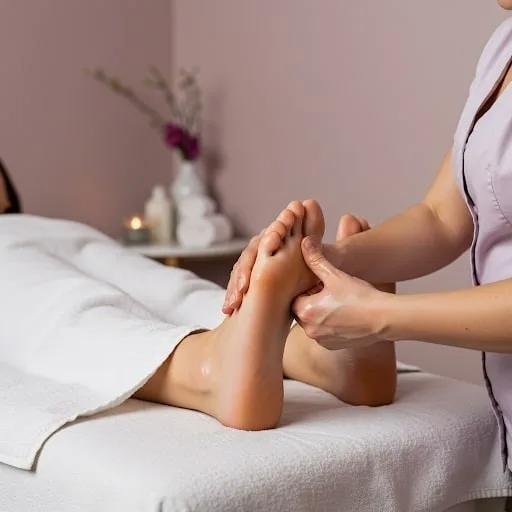
Your hands and feet contain important pathways for your lymphatic system — the body's natural detox network. Massage helps this system flow more efficiently, removing waste products and environmental toxins from your tissues.
7. Strengthens Your Immune System
Research shows regular foot massage can boost your immune system by increasing the production of cells that fight off viruses and other invaders — both through stress reduction and by improving the circulation of immune cells throughout the body.
8. Increases Joint Flexibility
Research indicates consistent hand therapy sessions improved finger and wrist mobility by nearly one-third within a single month. Massage breaks down adhesions between tissues, increases fluid in joints, and relaxes tight muscles around them.
9. Reduces Anxiety and Depression
Clinical studies show that regular foot massage reduces anxiety by up to 43% and helps ease symptoms of mild to moderate depression. Massage lowers stress hormones while increasing feel-good brain chemicals — and the caring touch of a therapist provides meaningful emotional comfort.
10. Improves Skin Health and Appearance
Clinical evaluations show twice-monthly massage treatments over two months enhanced skin resilience by nearly one-fifth and moisture retention by a quarter. The natural emollients applied during sessions penetrate beyond surface layers, nourishing dermal tissue from within.
The Science Behind Hand and Foot Massage
Respected medical institutions have studied massage therapy and found real benefits:
- •Mayo Clinic researchers documented significant pain reduction in chronic condition patients who received specialized foot therapy and reflexology approaches.
- •A review of 17 clinical studies on PubMed showed that foot reflexology consistently reduced anxiety levels across many different groups of people.
- •Harvard Health has reported that regular massage therapy positively impacts both physical symptoms and emotional well-being.
These findings confirm that hand and foot massage isn't just a luxury — it's a legitimate health practice that can meaningfully improve your quality of life.
Who Should Try Hand and Foot Massage?
Almost anyone can benefit, but these groups often see especially good results:
- •People with arthritis or joint pain — Gentle manipulation reduces inflammation and improves movement.
- •Office workers — If you type all day, your hands build up tension that massage can release.
- •Seniors — Massage helps counteract the decline in circulation and joint flexibility that comes with age.
- •People with anxiety or sleep problems — The relaxation from massage directly addresses these common concerns.
- •Pregnant women with swelling — Gentle drainage techniques offer safe relief from pregnancy-related swelling.
- •Athletes — Improved circulation supports faster recovery and less soreness.
- •People with diabetes — Improved blood flow to small vessels can help with nerve discomfort.
How Often Should You Get a Hand and Foot Massage?
- •For general wellness and stress relief: A 30-minute session every 1–2 weeks works well.
- •For chronic pain or inflammation: 2–3 shorter sessions (15–20 minutes) weekly often helps manage symptoms.
- •For circulation issues: At least 20 minutes twice weekly can improve blood flow.
- •For acute conditions: More frequent, gentle sessions may help during recovery.
Consistency is key — regular, shorter sessions typically deliver better results than occasional, longer treatments.
At-Home vs. Professional Massage: What's Better?
- •No appointment needed.
- •Free or low-cost.
- •Available whenever you feel discomfort.
- •Helps you build a self-care routine.
- •Comprehensive training and credentialing in reflexology techniques.
- •Proper technique and appropriate pressure.
- •Professional-grade tools and products.
- •Expert assessment of your individual muscle condition.
- •Amplified benefits when combined with other healing modalities.
Many experts recommend visiting a professional therapist regularly and learning self-massage techniques to use between appointments. Professional therapists can teach you specific techniques tailored to your unique needs.
Frequently Asked Questions
How does reflexology differ from therapeutic massage?
Targeted foot therapy primarily addresses the musculature and connective tissues directly to alleviate discomfort, whereas reflexology works with specific pressure zones believed to correspond to other organs and body systems. Many professional treatments include elements of both to maximize benefits.
What are the main benefits of hand massage for computer workers?
Benefits include reduced carpal tunnel symptoms, decreased muscle fatigue, improved joint mobility, and prevention of repetitive strain injuries. Just 5–10 minutes during a work break can significantly improve comfort and productivity.
Can hand and foot massage help with plantar fasciitis?
Yes — studies show that regular therapeutic foot massage can significantly reduce plantar fasciitis pain by making tissues more flexible, reducing inflammation, and breaking down painful adhesions.
How long does a typical session last?
A standard appointment typically ranges from 30 to 60 minutes, while focused therapeutic sessions may require only 15–30 minutes. Length depends on your specific needs and goals.
Are there any reasons someone shouldn't get a massage?
While generally safe, be cautious if you have severe osteoporosis, recent injuries, blood clots, or certain skin conditions. Always inform your massage therapist about any health conditions before your session.
What oils or lotions work best?
Natural options like coconut, jojoba, or almond oil work well without harsh chemicals. Professional therapists often use special blends with essential oils chosen for specific health benefits.
From our blog
Tips, guides, and treatment insights.
Explore tips, trends, and insights in wellness from our latest blog posts.
Aug 20, 2026
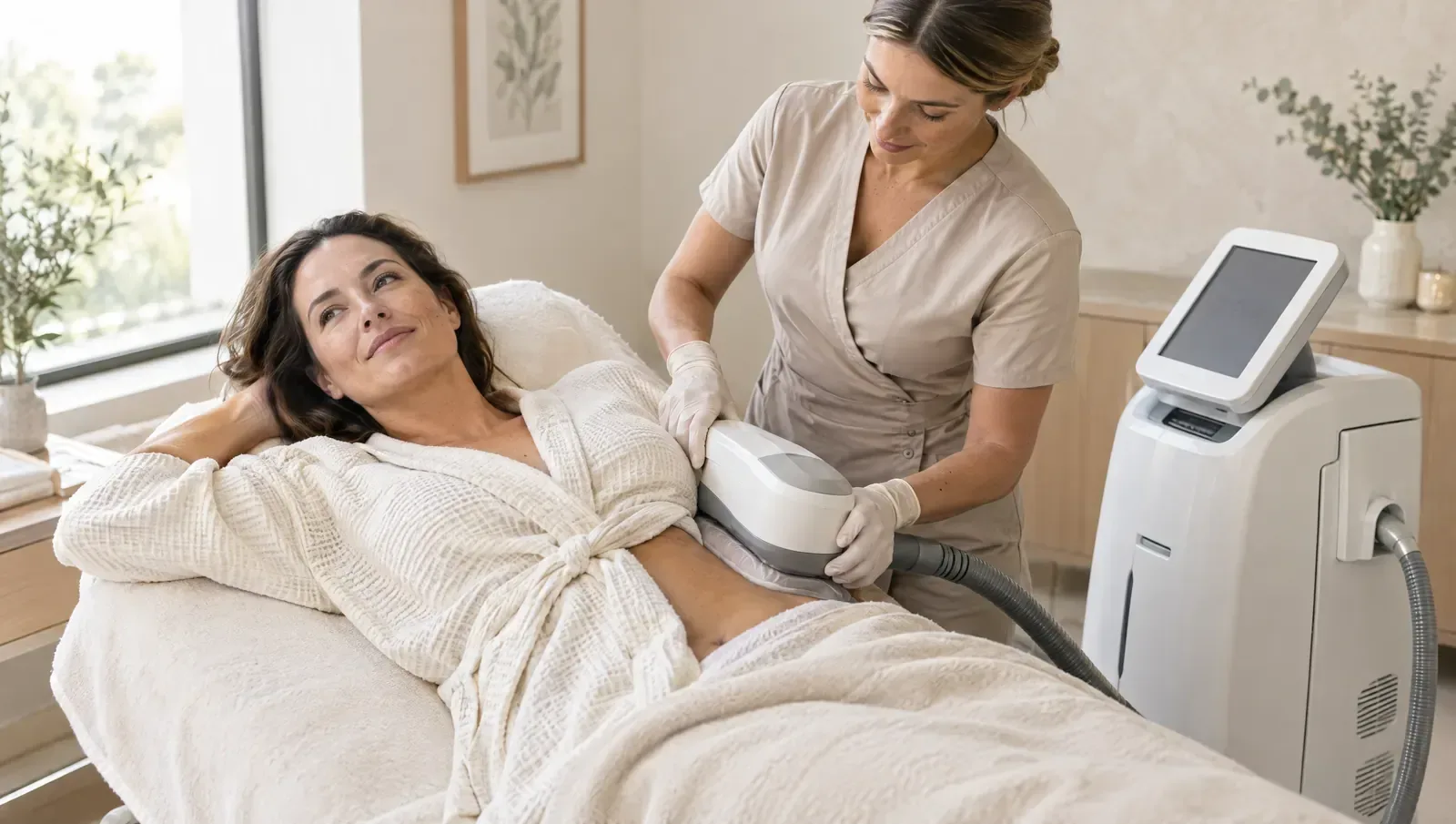
Is CoolSculpting Worth It? Cost, Results & Alternatives (2026)
CoolSculpting delivers a permanent 20-25% fat reduction per area for $600-$1,200 per cycle, and 76% of RealSelf patients say it was worth the ~$2,425 they paid.
Botox

Aug 18, 2026
How Much Does Laser Hair Removal Cost in Vancouver? (2026 Price Guide)
Laser hair removal in Vancouver costs $45 to $500 per session in 2026 ($550-$750 full body). Most areas run $90-$200; plan on 6 to 8 sessions for lasting result
Botox

Aug 17, 2026
Best Med Spas in Ottawa (2026): Prices, Neighbourhoods & How to Choose
Ottawa med spa guide for 2026: Botox $9-$15 per unit, lip filler $500-$800, HydraFacial $150-$300. Prices by neighbourhood, Ontario injector rules and how to co
Botox

Aug 11, 2026
Botox vs Dysport: Which Lasts Longer and Costs Less? (2026)
Botox vs Dysport in 2026: onset, how long each lasts, spread, and real cost by area ($250-$520). See why per-unit price misleads and which to choose.
Botox